




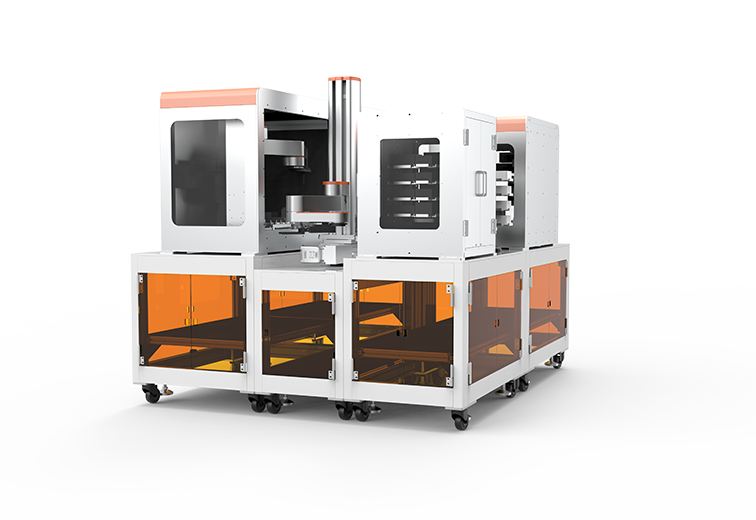
Fully Automatic Strain Construction Platform
Flux increases by over 10 times, while labor costs are reduced by 80%.
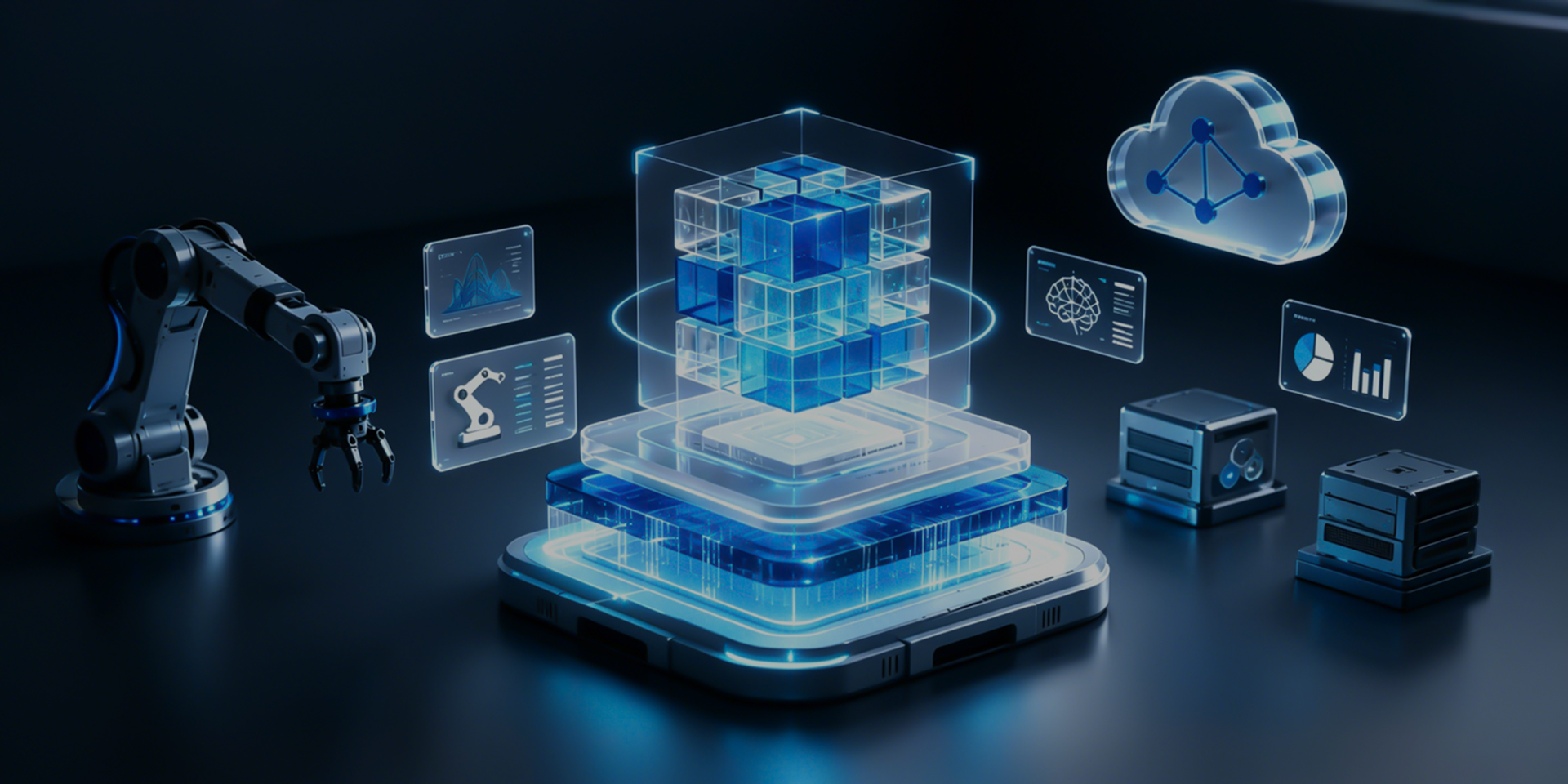
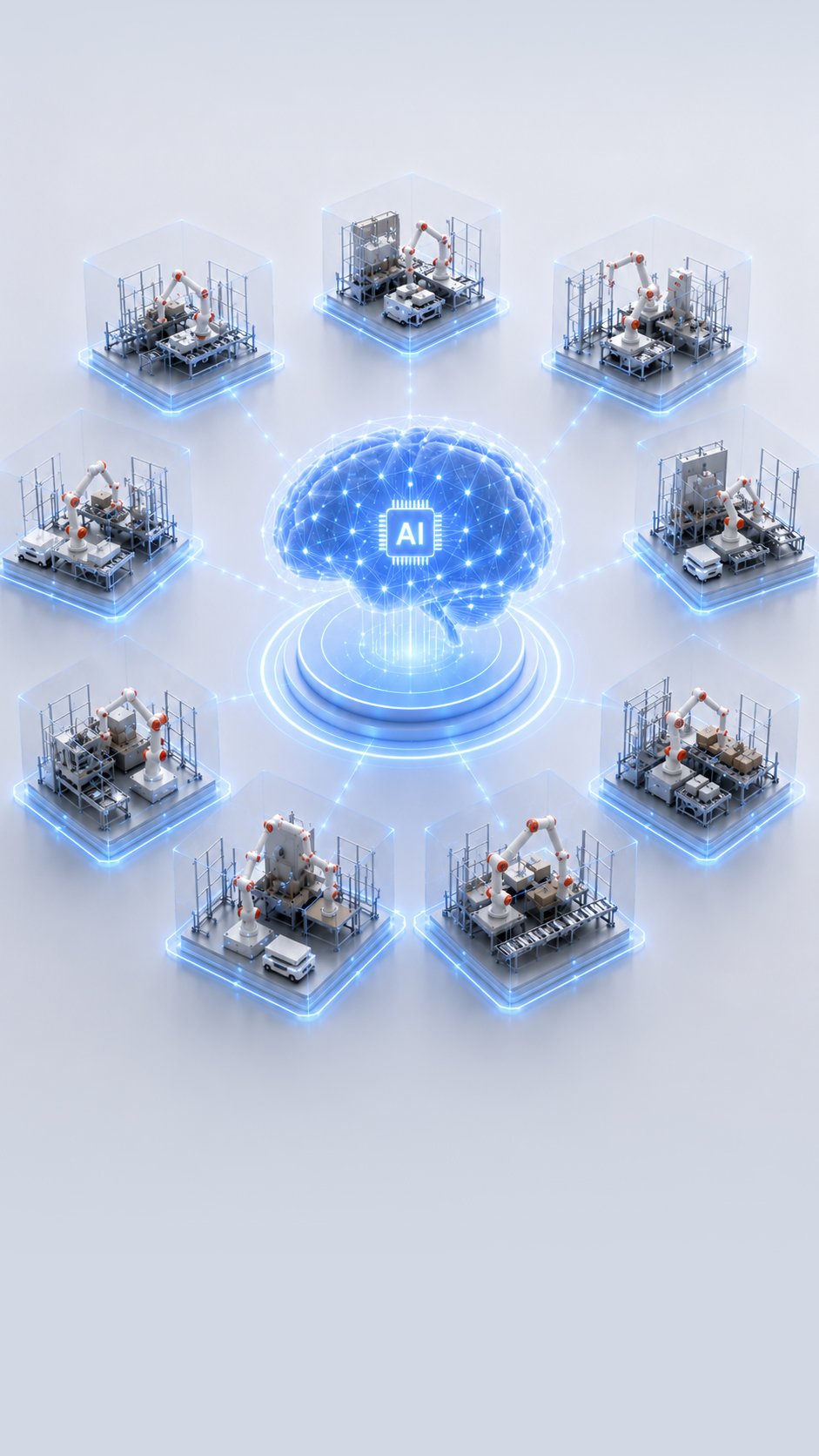
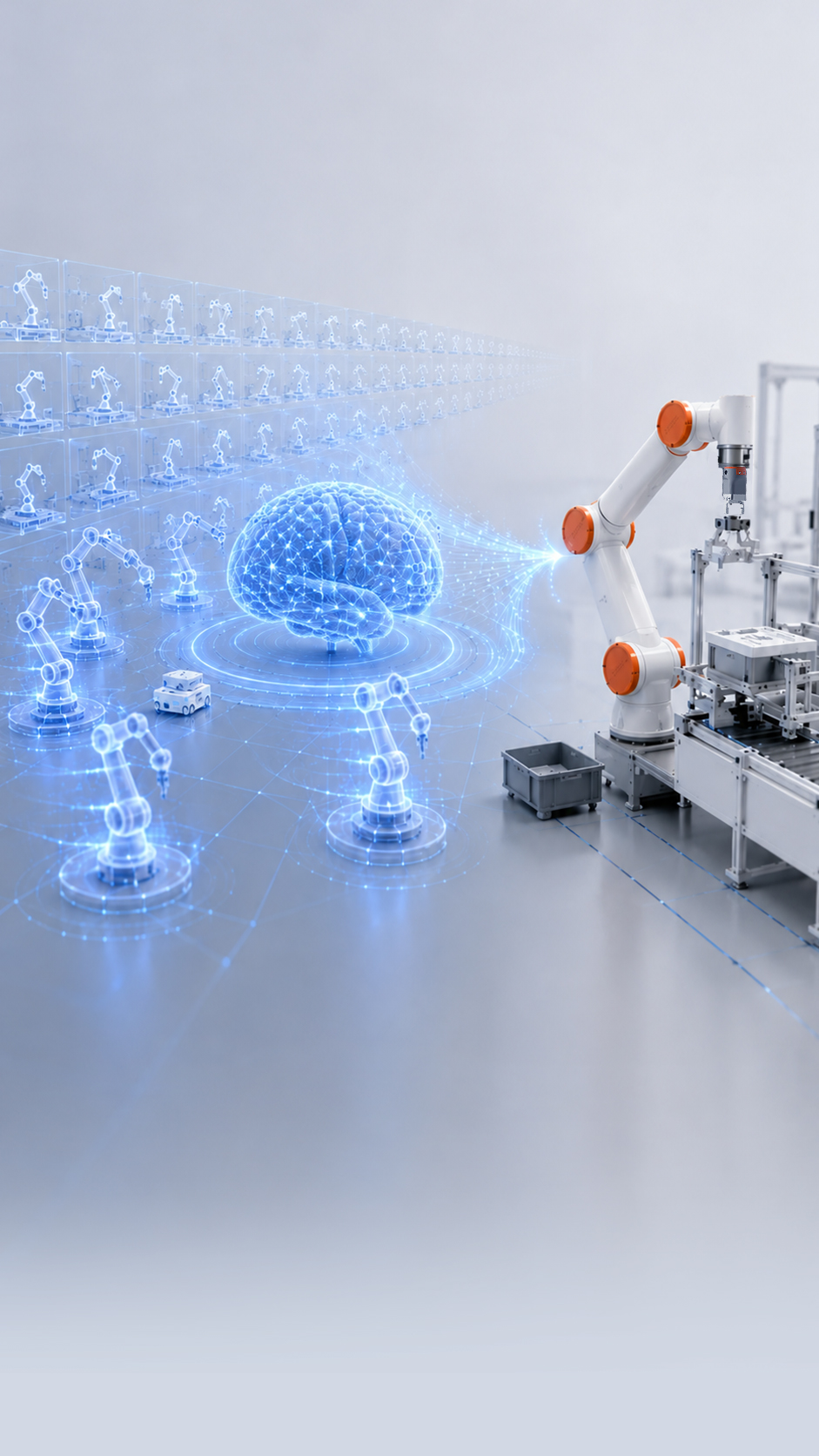
Built upon years of industry expertise, the scenario model integrates real‑world data such as equipment operation metrics, process parameters, and domain expert knowledge. Standardized processing ensures precise alignment with on‑site production environments. Leveraging a distributed AI architecture together with cutting‑edge large models, it generates embodied intelligent agents featuring strong adaptability for deployment across diverse smart manufacturing scenarios.
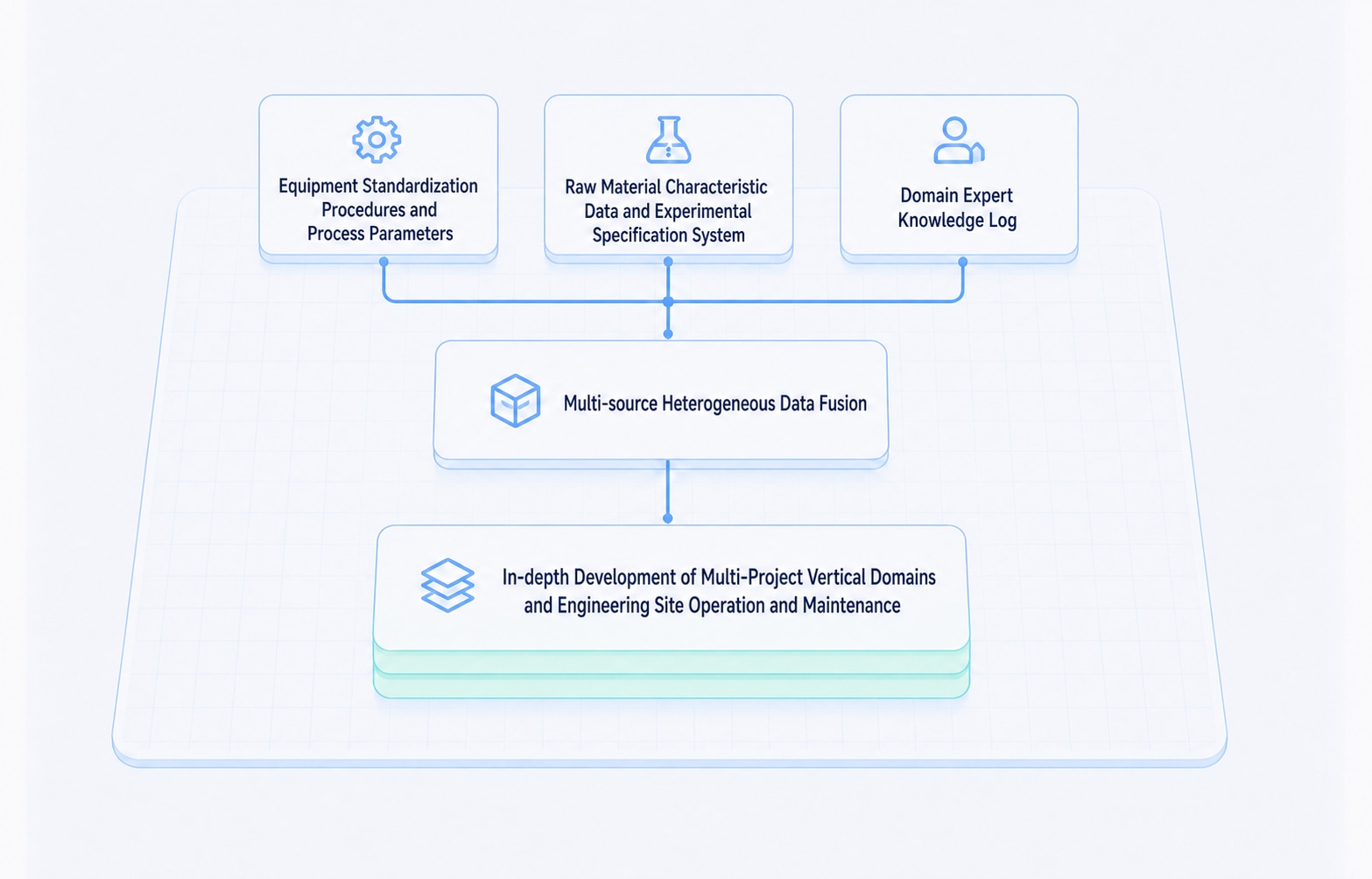
Drawing on years of deep‑dive engagement across vertical industries, we aggregate multimodal data from real‑world project deliveries and on‑site operations. This dataset covers equipment SOPs, process flow parameters, raw‑material characteristic data, experimental standards, and expert experience logs.
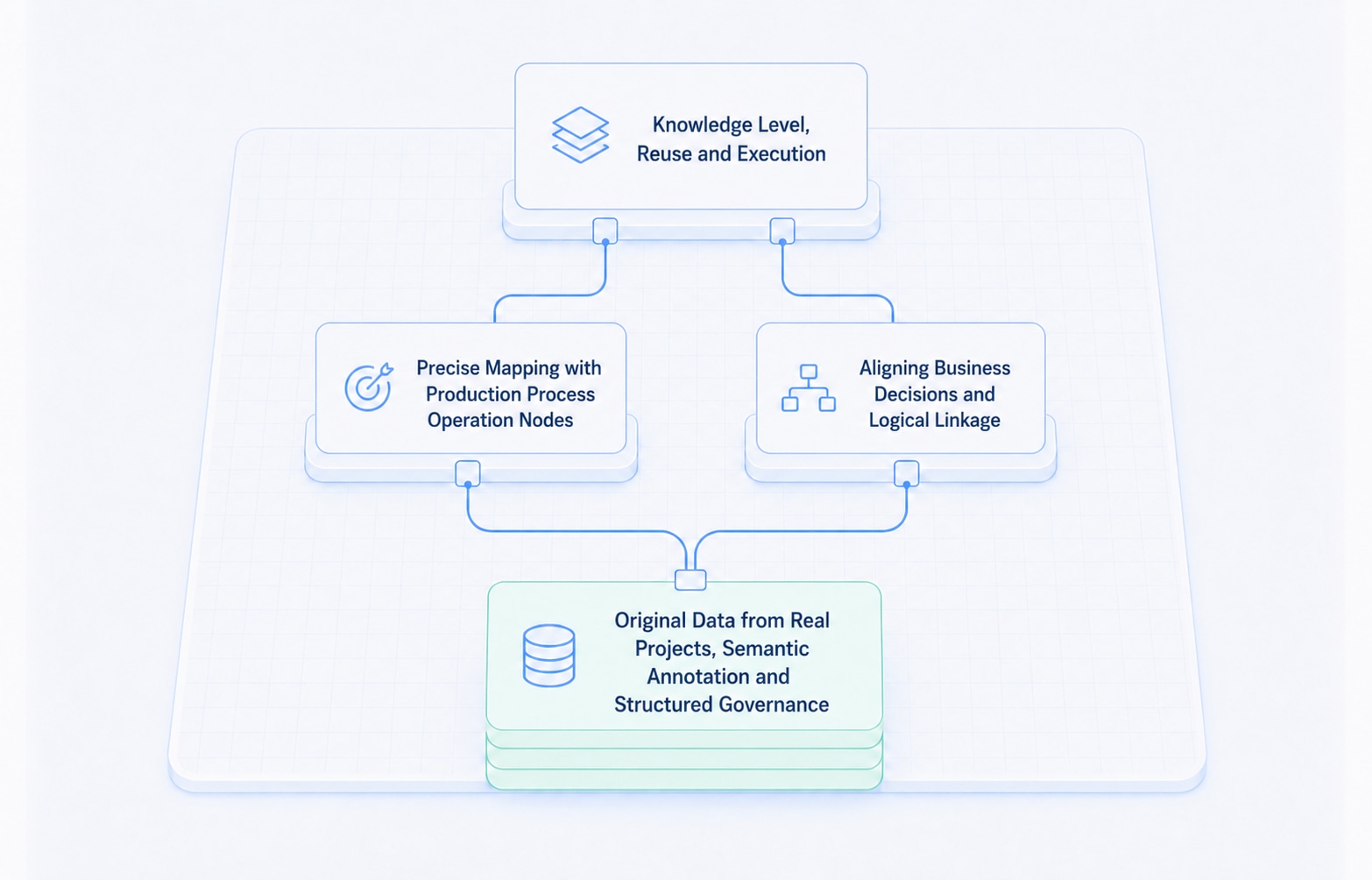
All data originates from real‑world project execution records. After filtering, annotation and structuring, the data can be directly mapped to operational nodes and decision logic within production environments, guaranteeing knowledge reusability and executability.
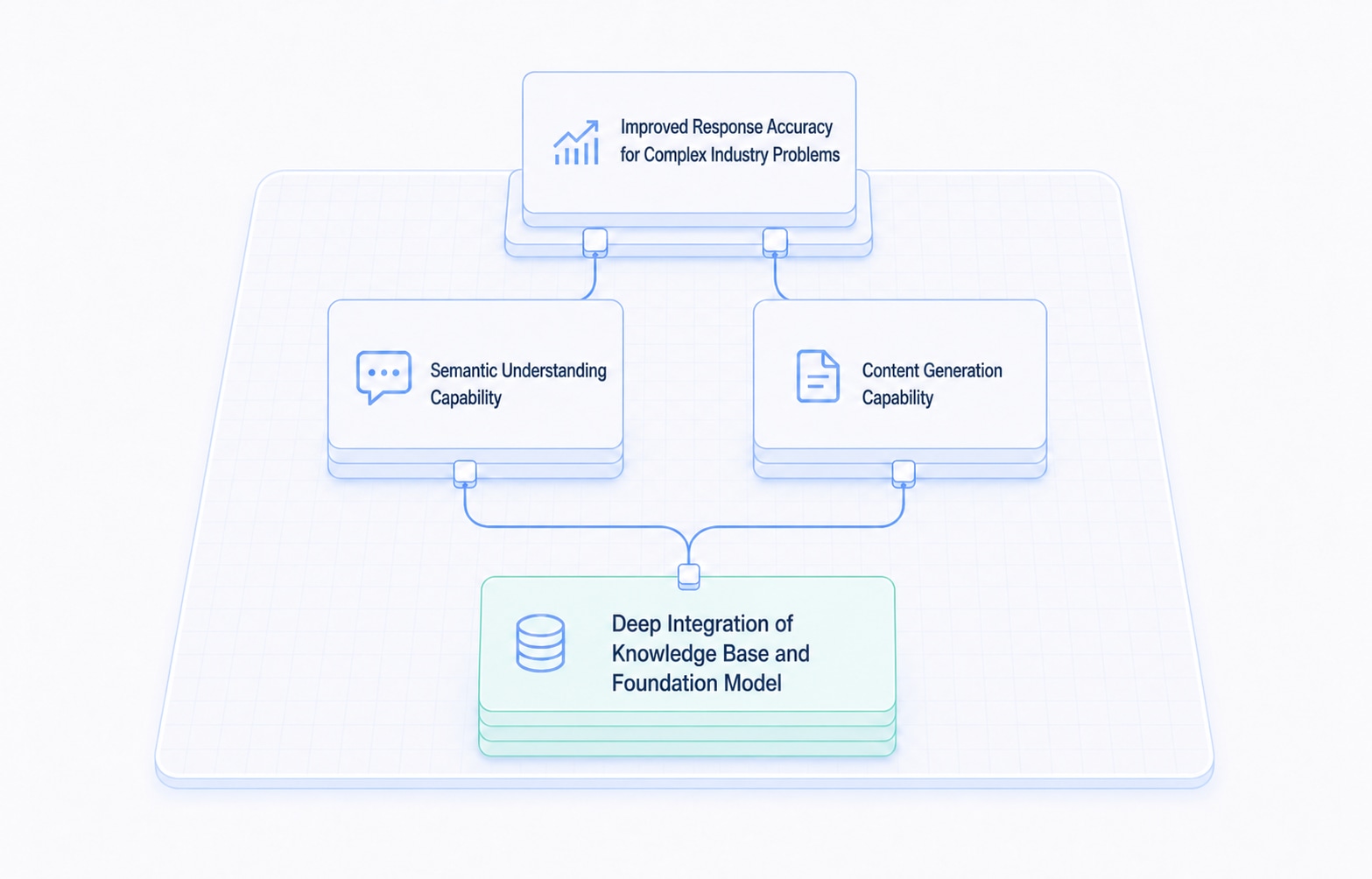
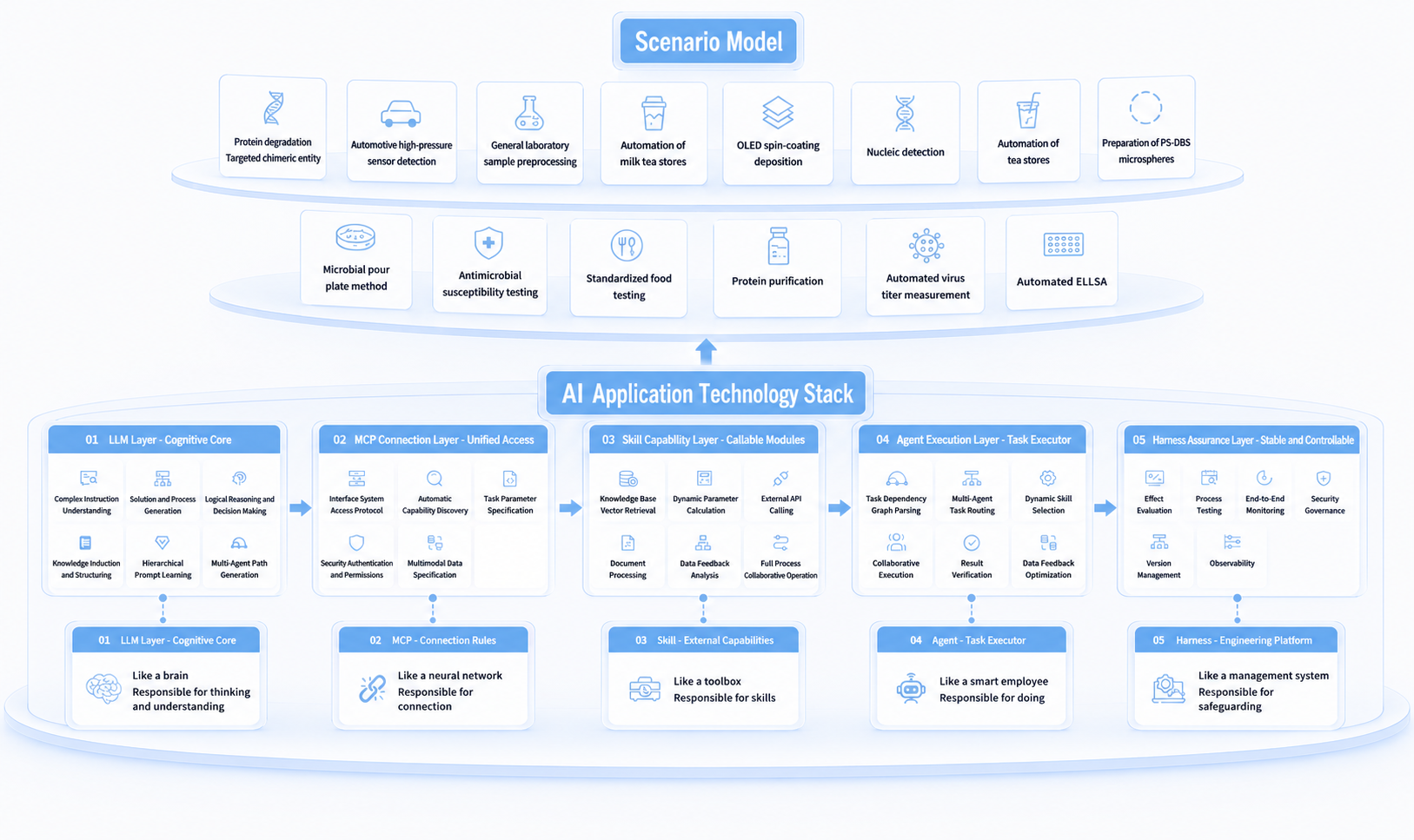
Integrating industry knowledge bases with advanced models such as Tongyi Qianwen, leveraging the semantic understanding and generation capabilities of large models to enhance the precision of responses to complex industry problems.
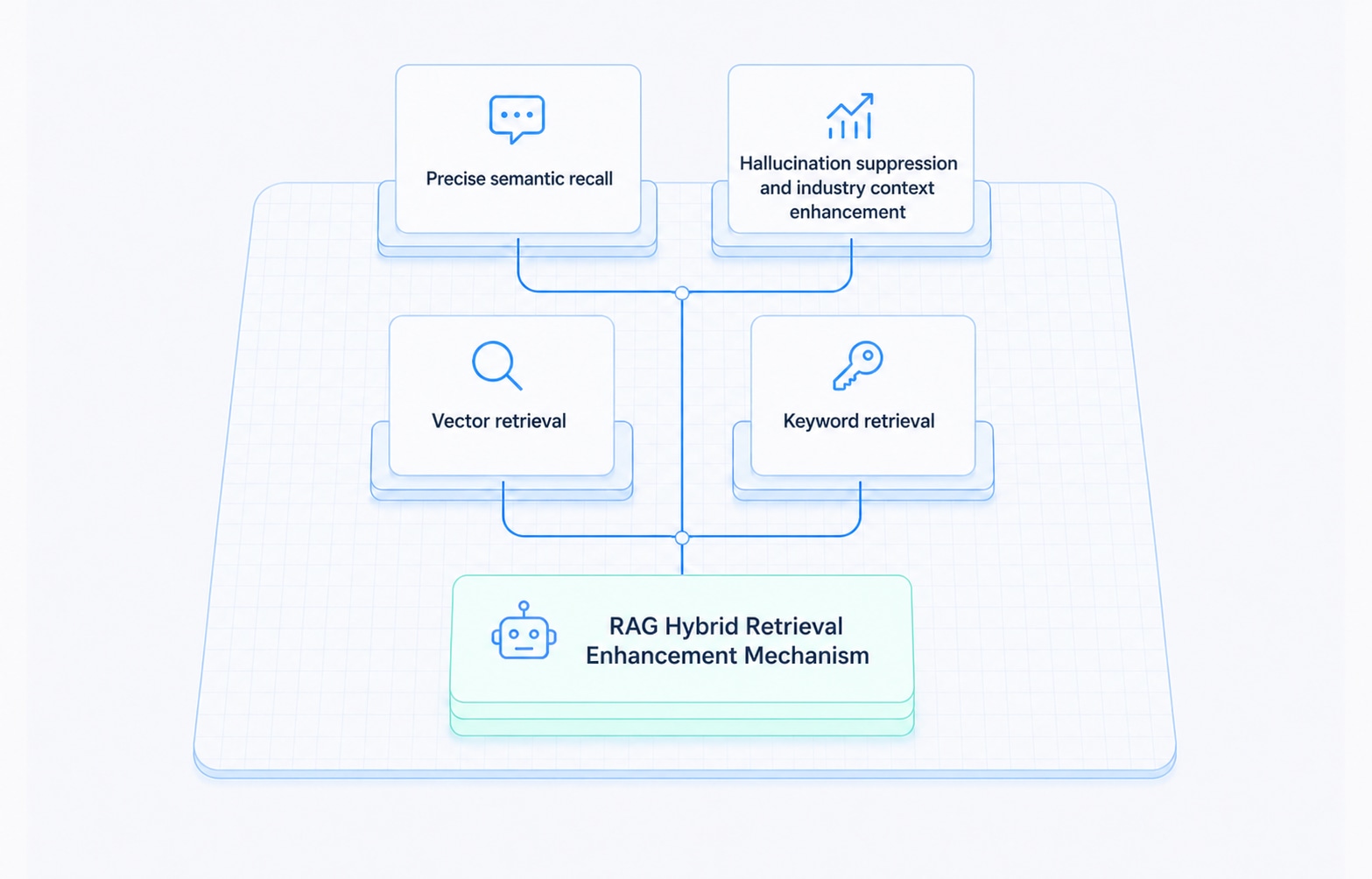
Combining the advantages of vector search and keyword search, it retrieves the most relevant segments from the knowledge base in real-time, assisting large models in generating more accurate and industry-depth responses, effectively reducing hallucination issues.
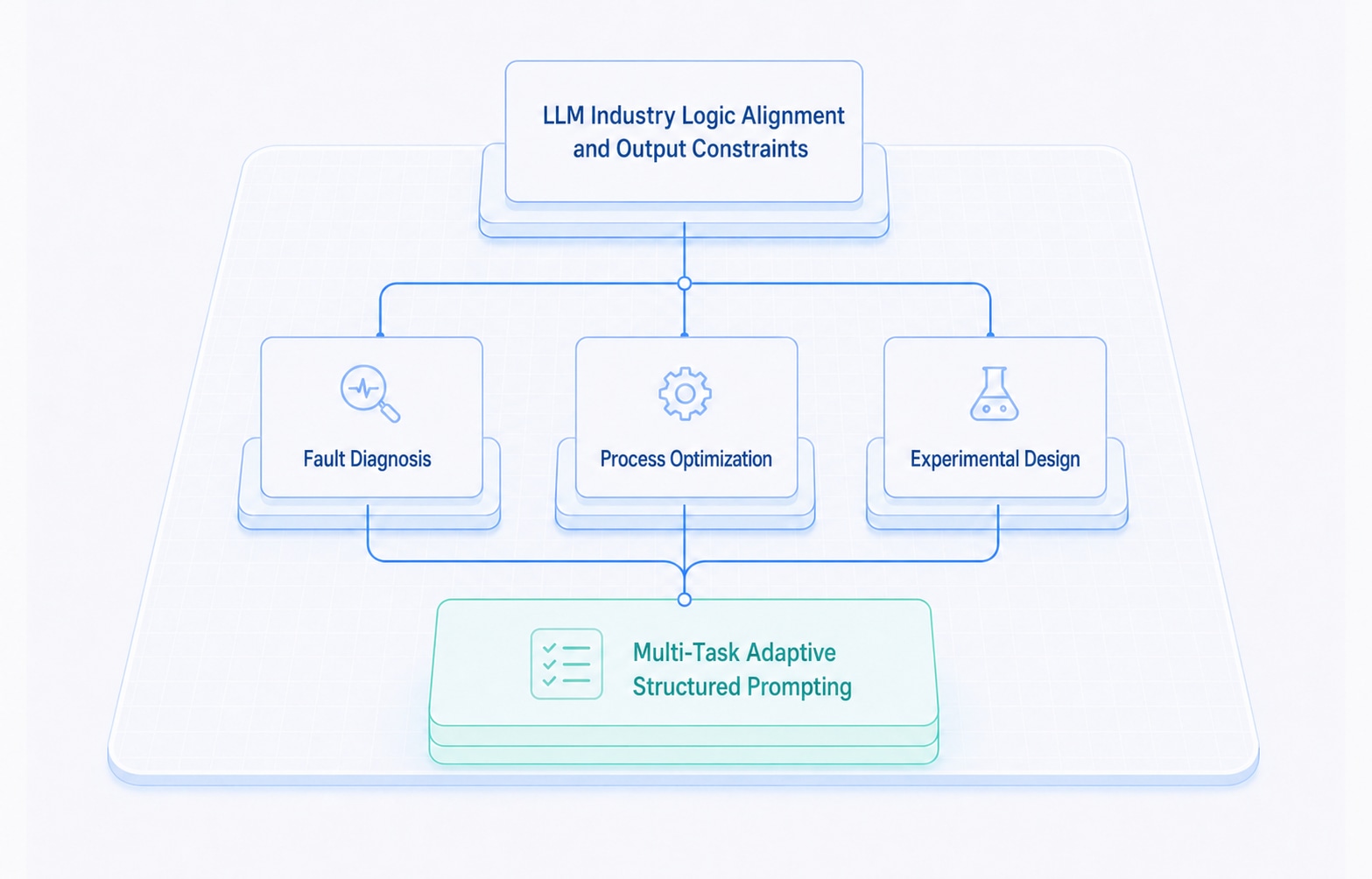
Designing different prompt templates for various task scenarios (such as fault diagnosis, process optimization, experiment design) to guide large models to output results according to industry logic.
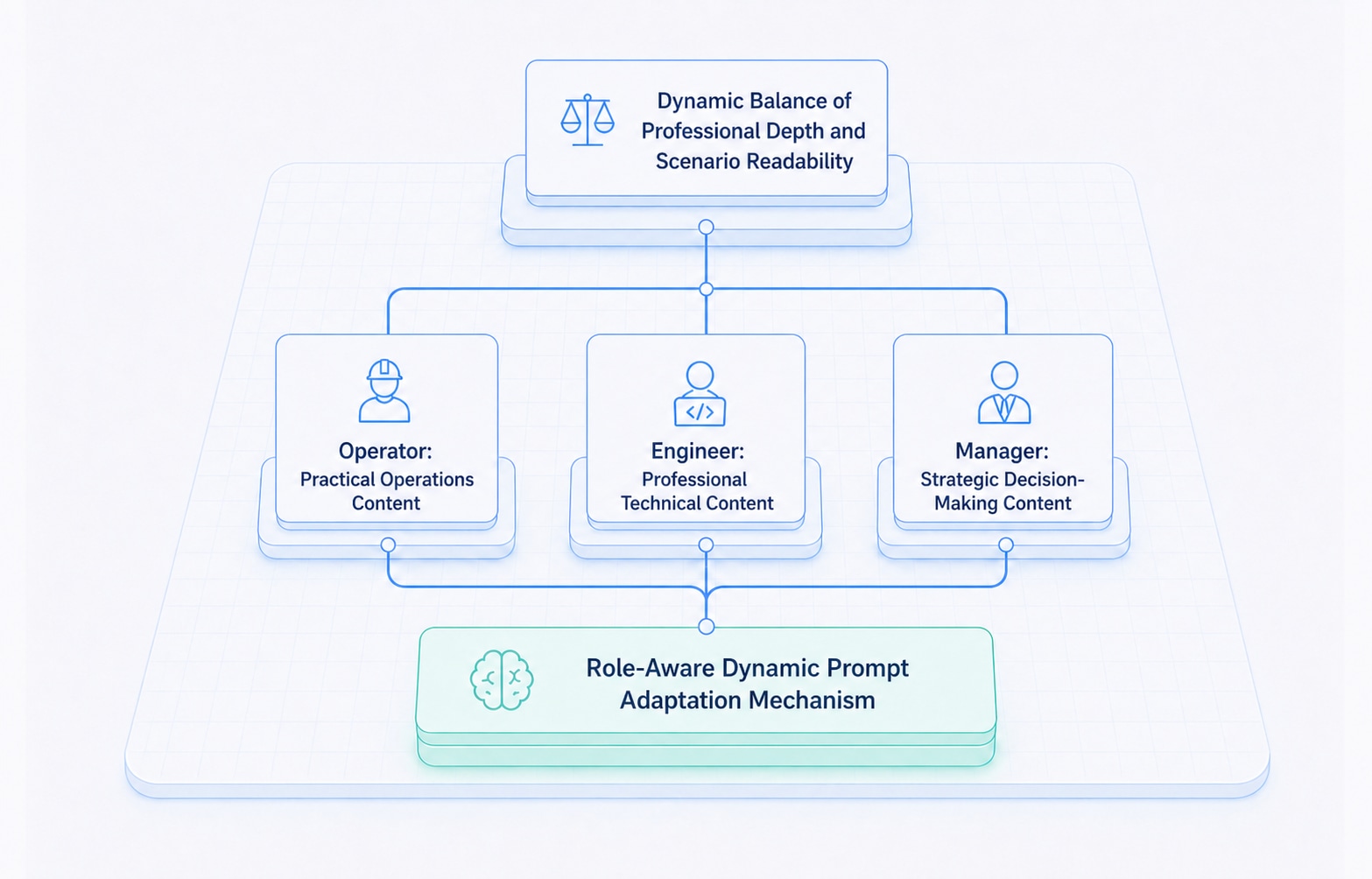
Supporting automatic adjustment of the prompt hierarchy based on user roles (operator, engineer, manager) to ensure that the generated content matches the readability and professionalism of the use scenario.
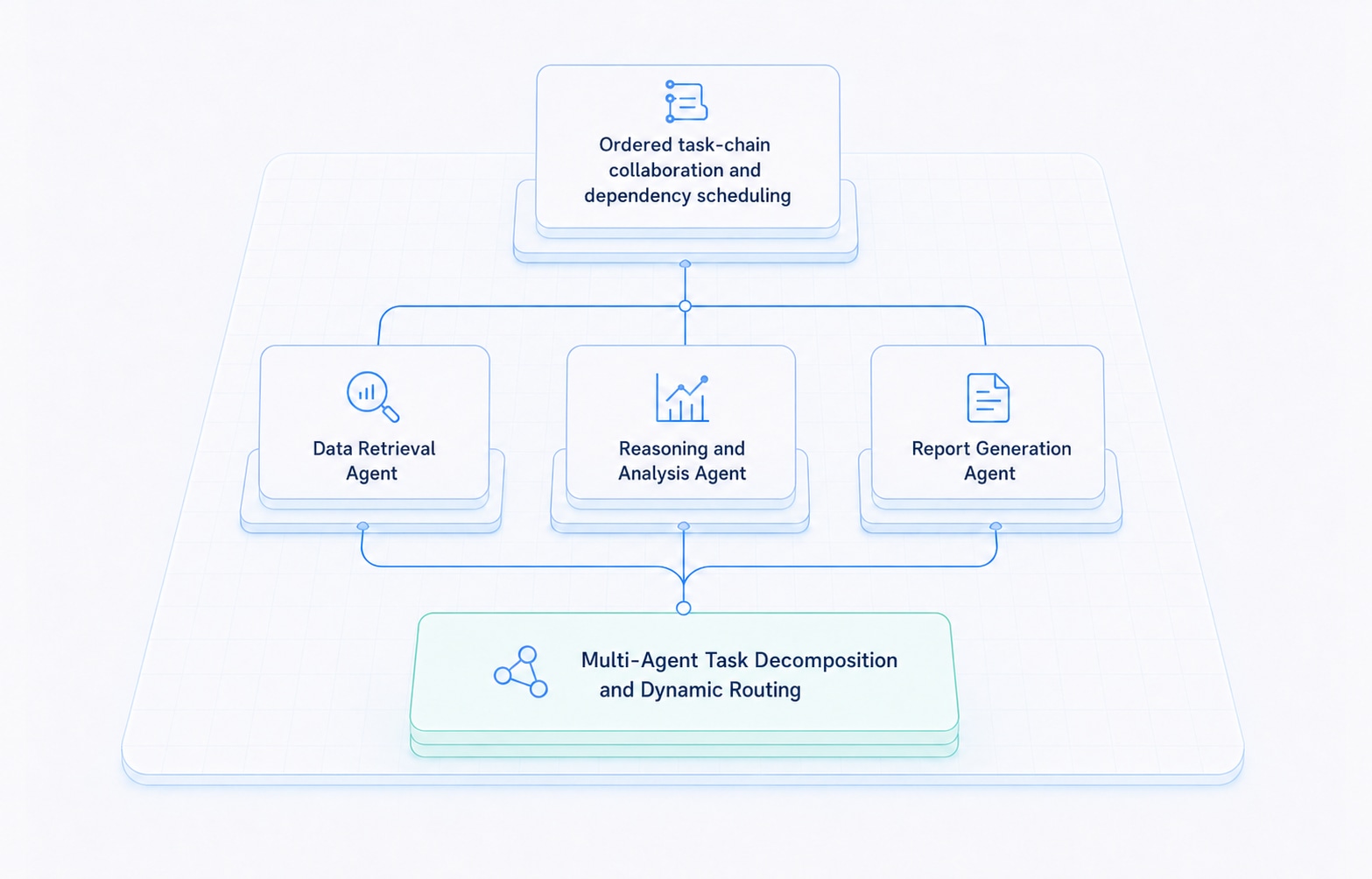
Breaking down complex industrial tasks into several sub-tasks, which are handled separately by multiple intelligent agents (such as data retrieval agents, reasoning analysis agents, report generation agents), and sequentially coordinating through a task routing mechanism.
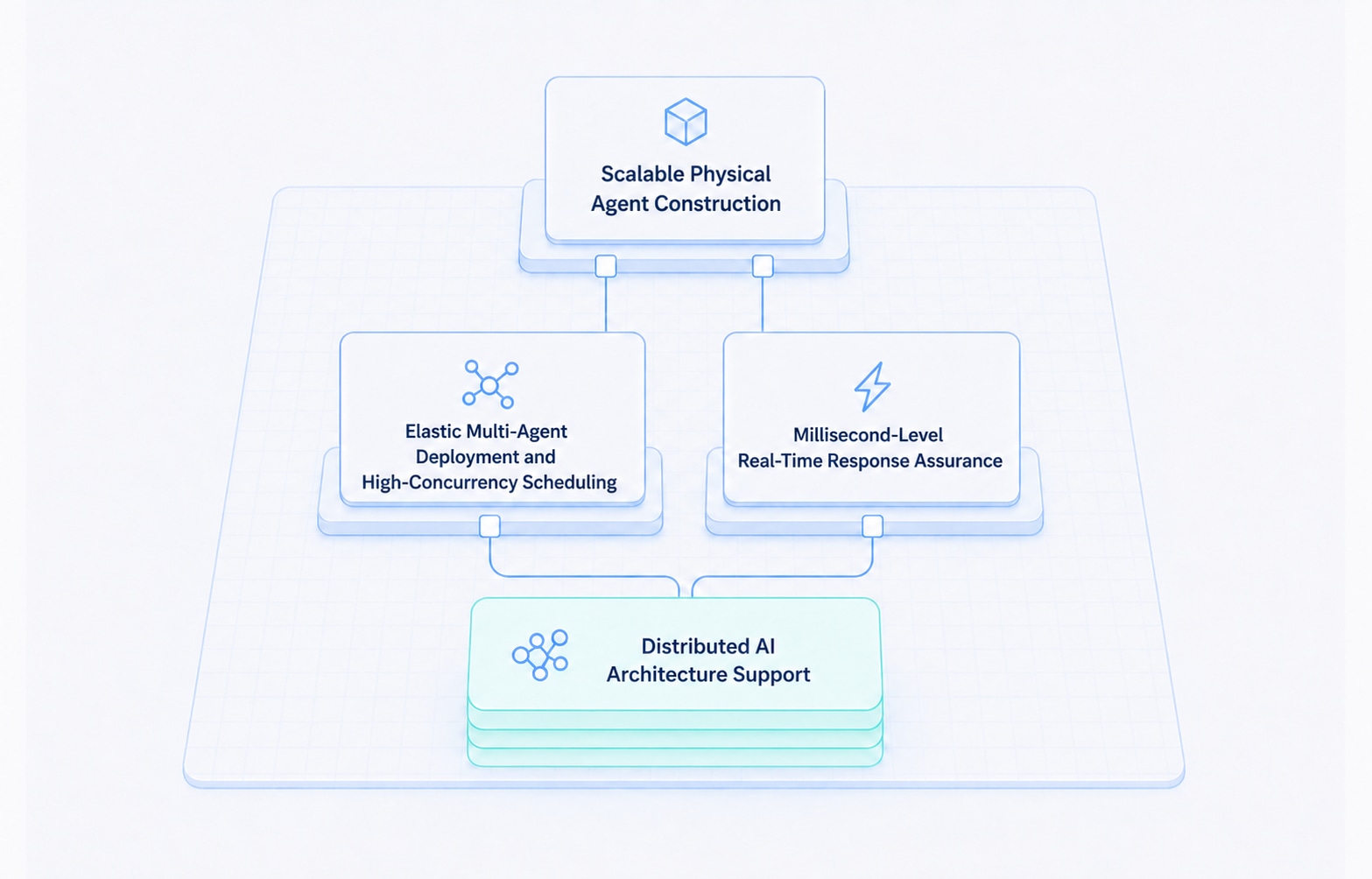
Intelligent agents are deployed based on a distributed AI architecture, ensuring stability in task scheduling and real-time responsiveness under high concurrency scenarios, ultimately building a practical and scalable 'physical intelligent agent.'
Building a complete AI ecosystem, from data to applications.
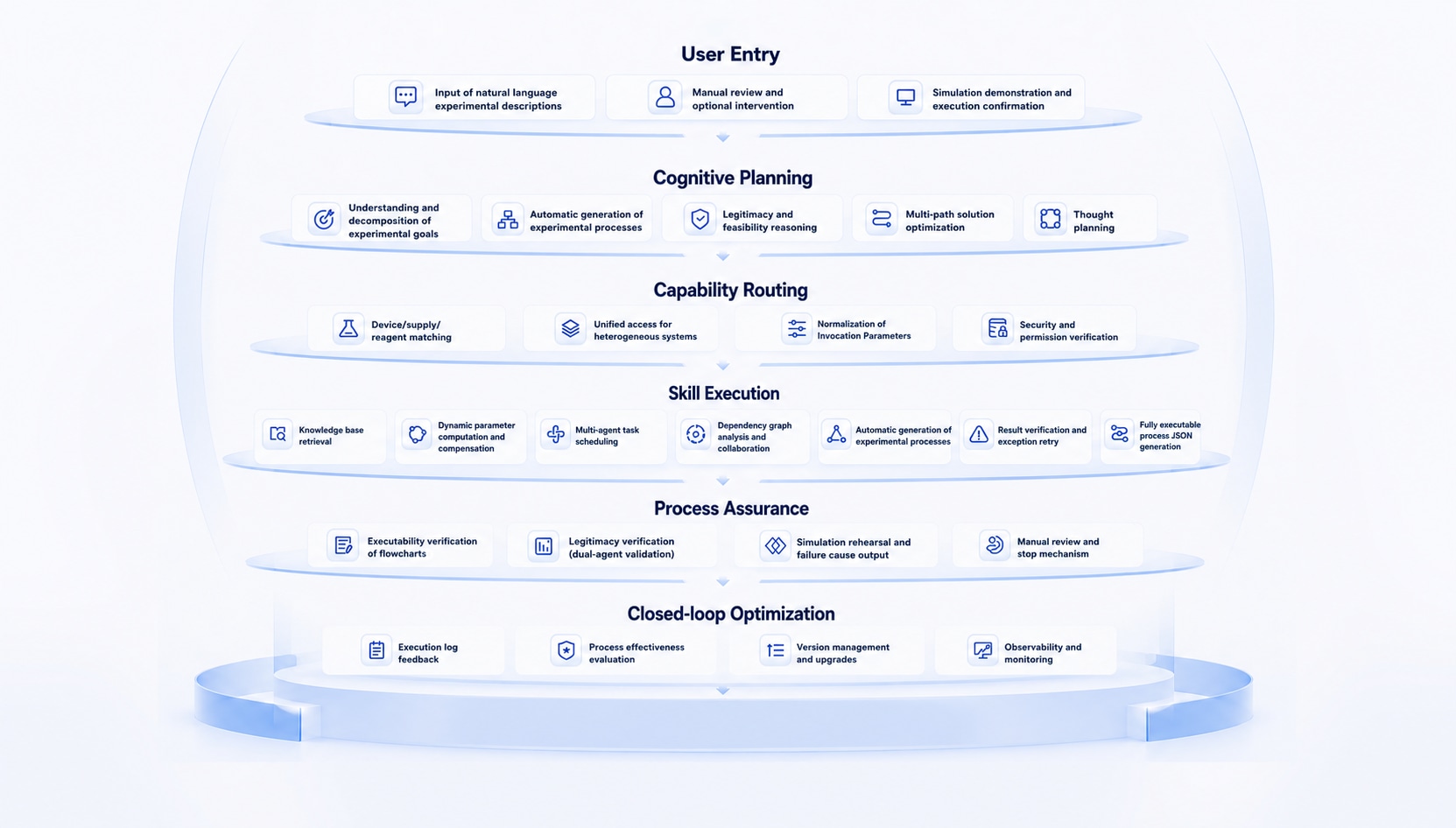
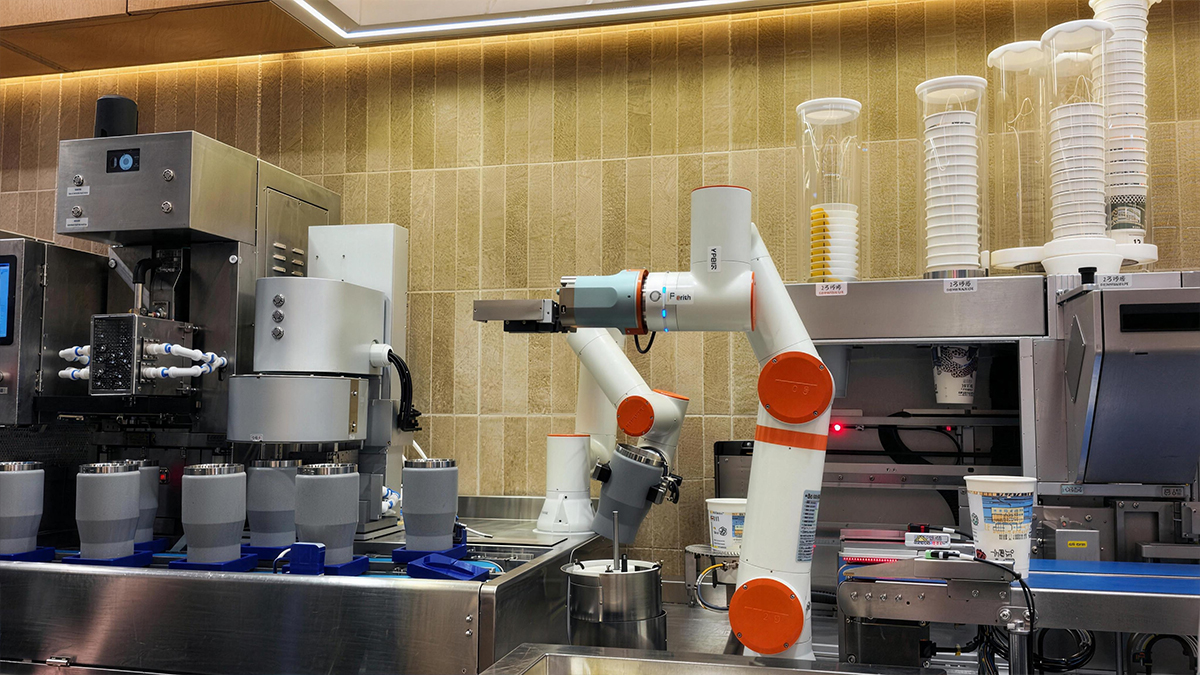
We deliver fully‑automated equipment solutions for leading tea‑beverage brands with tens of thousands of outlets, enabling standardized, high‑efficiency drink preparation.
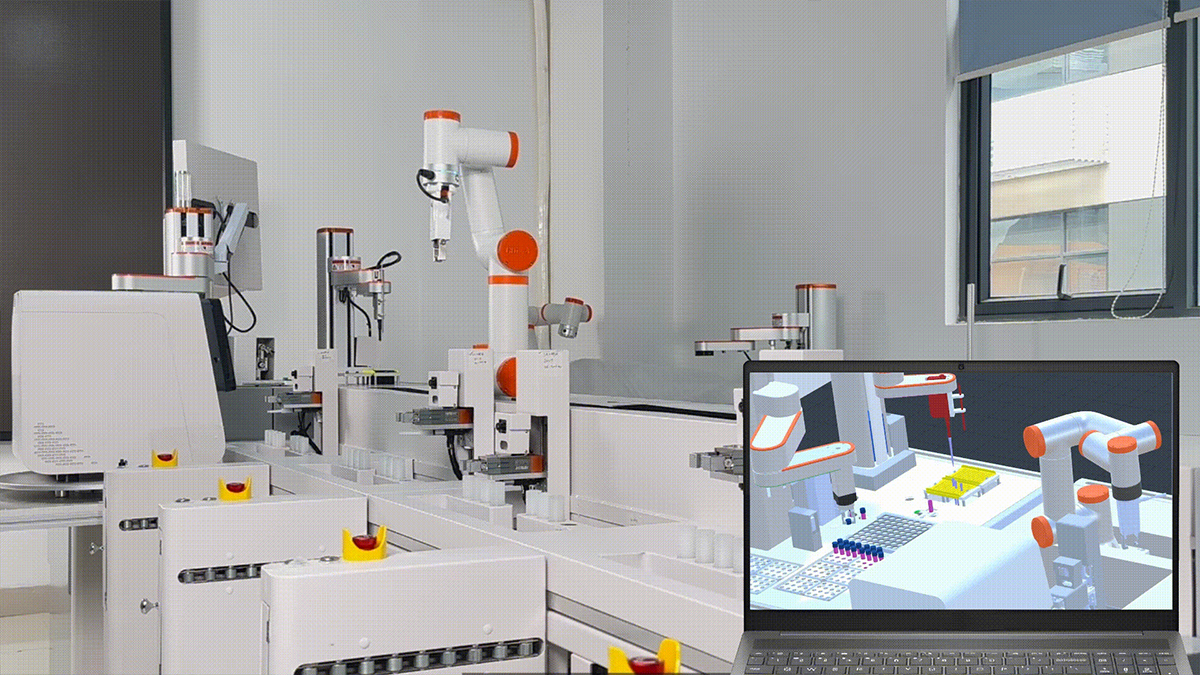
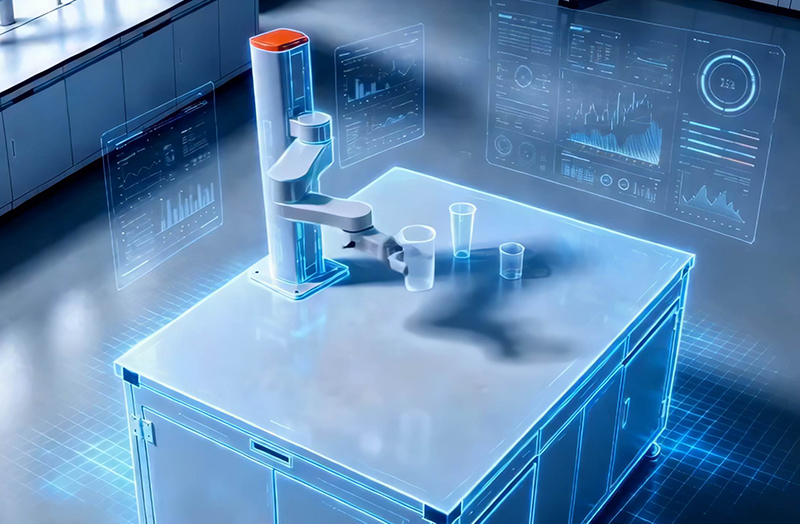
We address key pain points in laboratory operations by delivering fully automated equipment solutions that resolve core challenges spanning data management, environmental control, operational standardization and cost efficiency. This empowers laboratories to advance embodied intelligence from conceptual demonstrations toward scalable, practical real-world deployment.
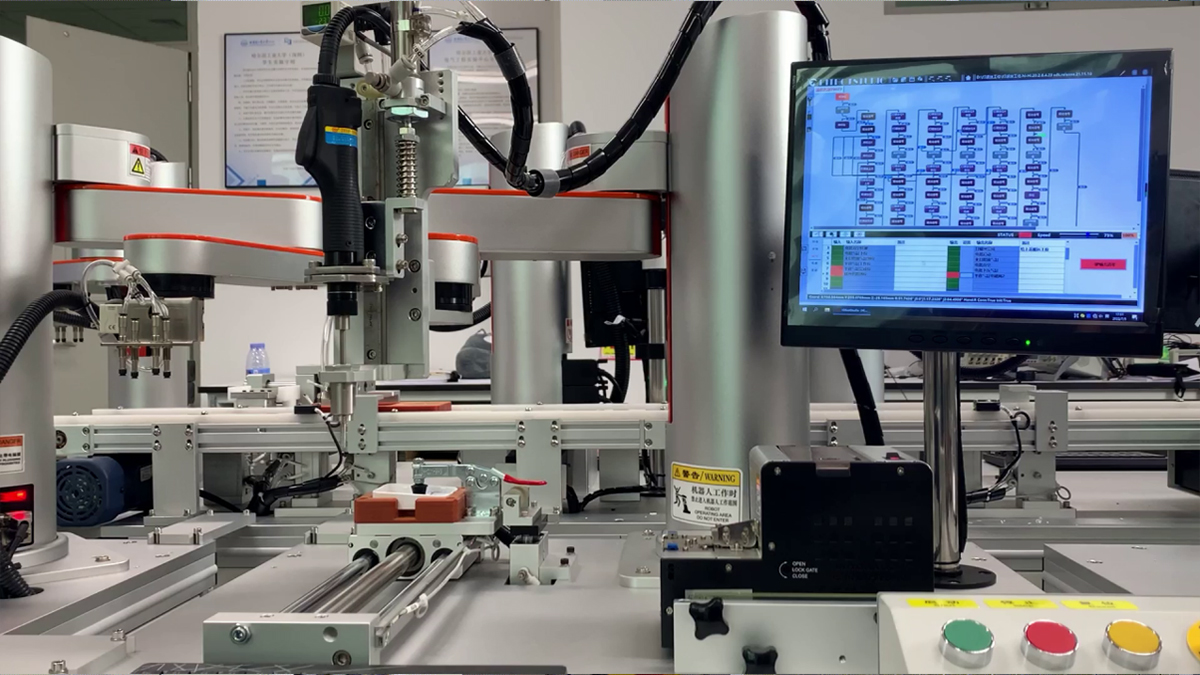
For the 3C electronics industry, we provide integrated one-stop component solutions that guarantee consistent product interfaces, accelerate development efficiency by 70%, and cut manpower requirements below the industry average.
Hitbot OS is an automation software independently developed by Hitbot, the software integrates equipment programming, control, and design capabilities, and can realize the whole design process from solution design to deployment,implementation,and maintenance.
Beyond supporting standard hardware integration, Hitbot OS is also compatible with most mainstream automation products on the market. It enables straightforward development of automated solutions to cut costs and boost operational efficiency.
Build skills via simulation and gain experience within virtual environments.
Predefined skills enable low-threshold automated construction.

Deep integration of hardware and software to build a library of standard execution units.
Hitbot OS is an automation software independently developed by Hitbot, the software integrates equipment programming, control, and design capabilities, and can realize the whole design process from solution design to deployment, implementation, and maintenance.
Beyond supporting standard hardware integration, Hitbot OS is also compatible with most mainstream automation products on the market. It enables straightforward development of automated solutions to cut costs and boost operational efficiency.
HITBOT OS simulation training is a virtual training engine that creates a high-fidelity physical interaction environment, allowing intelligent agents to repeatedly experiment and learn skills in virtual scenarios. It optimizes strategies and packages them into a skills library to support real-world applications.
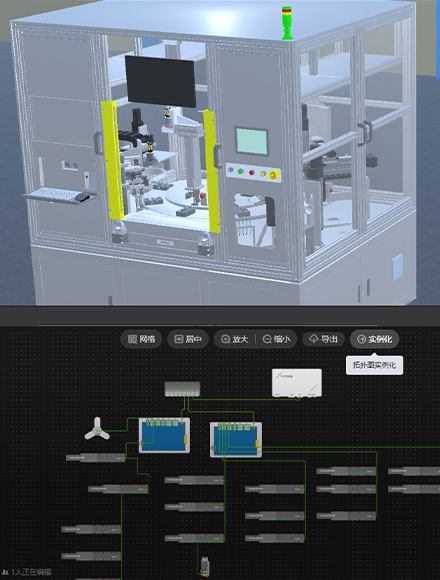
Precise modeling based on the entire series of intelligent actuators and mainstream third-party devices.
From geometric dimensions to kinematic parameters, from electrical interfaces to I/O logic, the virtual models achieve millisecond-level synchronization with a 1:1 mapping to the physical devices.
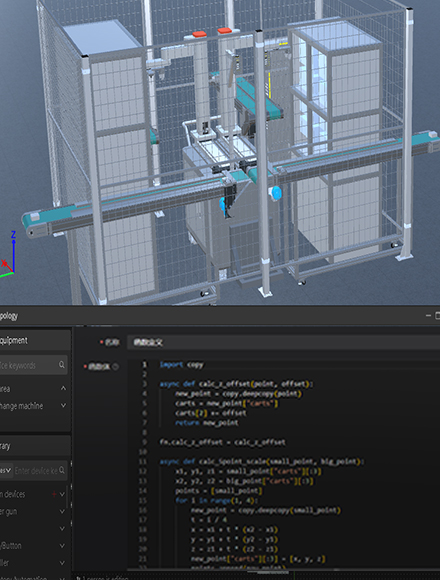
Supports multi-level verification from single device motion simulation to complete production line logic simulation. By rehearsing the production process in advance, it allows for precise detection of collisions, interference, and accessibility, thereby eliminating the trial and error costs in the virtual phase.
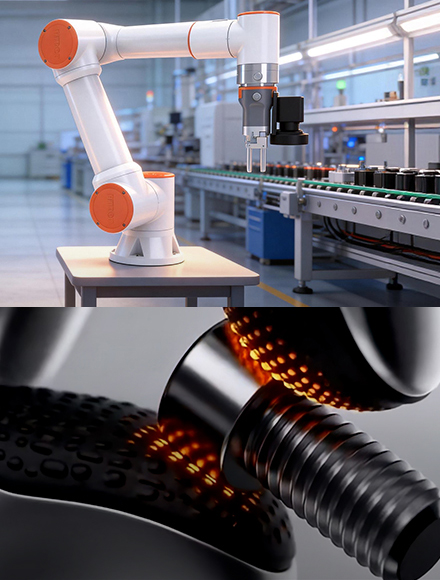
An integrated training approach from task comprehension to action execution allows skills to emerge naturally through simulated practice, resulting in the formation of precise and reliable atomic skills.
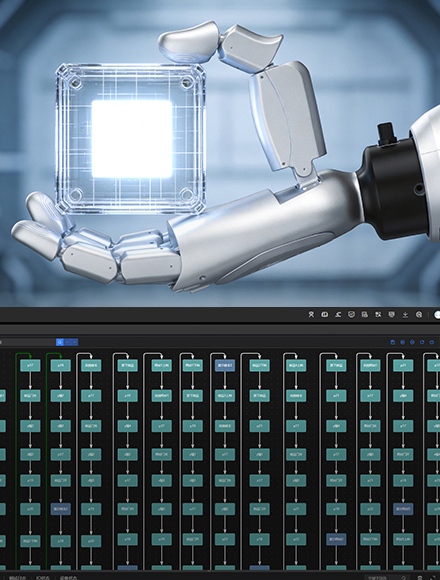
Skills that have been trained and validated are automatically encapsulated into ready-to-use modules and stored in a skill library, achieving a seamless transition from training to deployment.
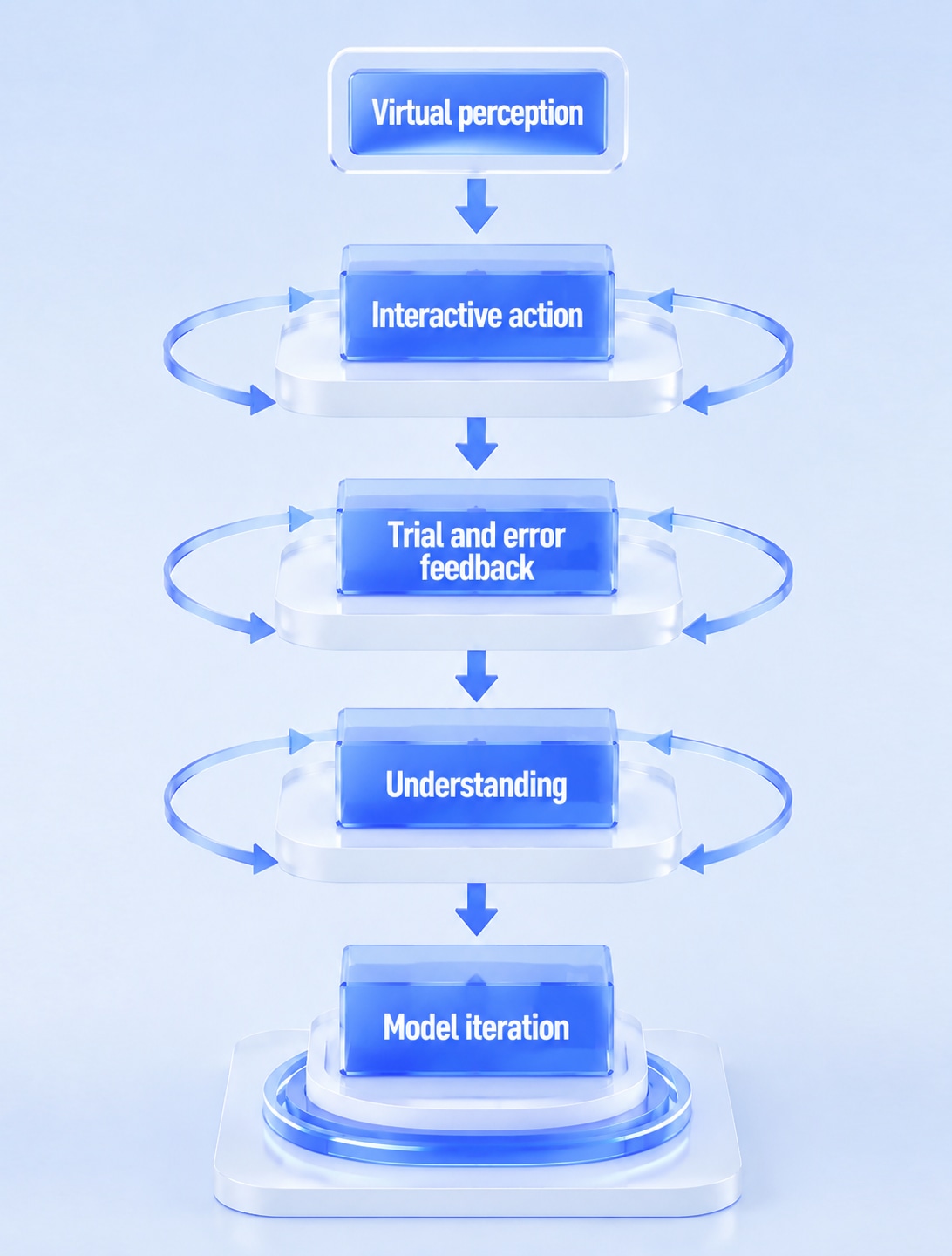
Building a deep understanding of the physical world through virtual body perception, action, and trial-and-error in interaction.
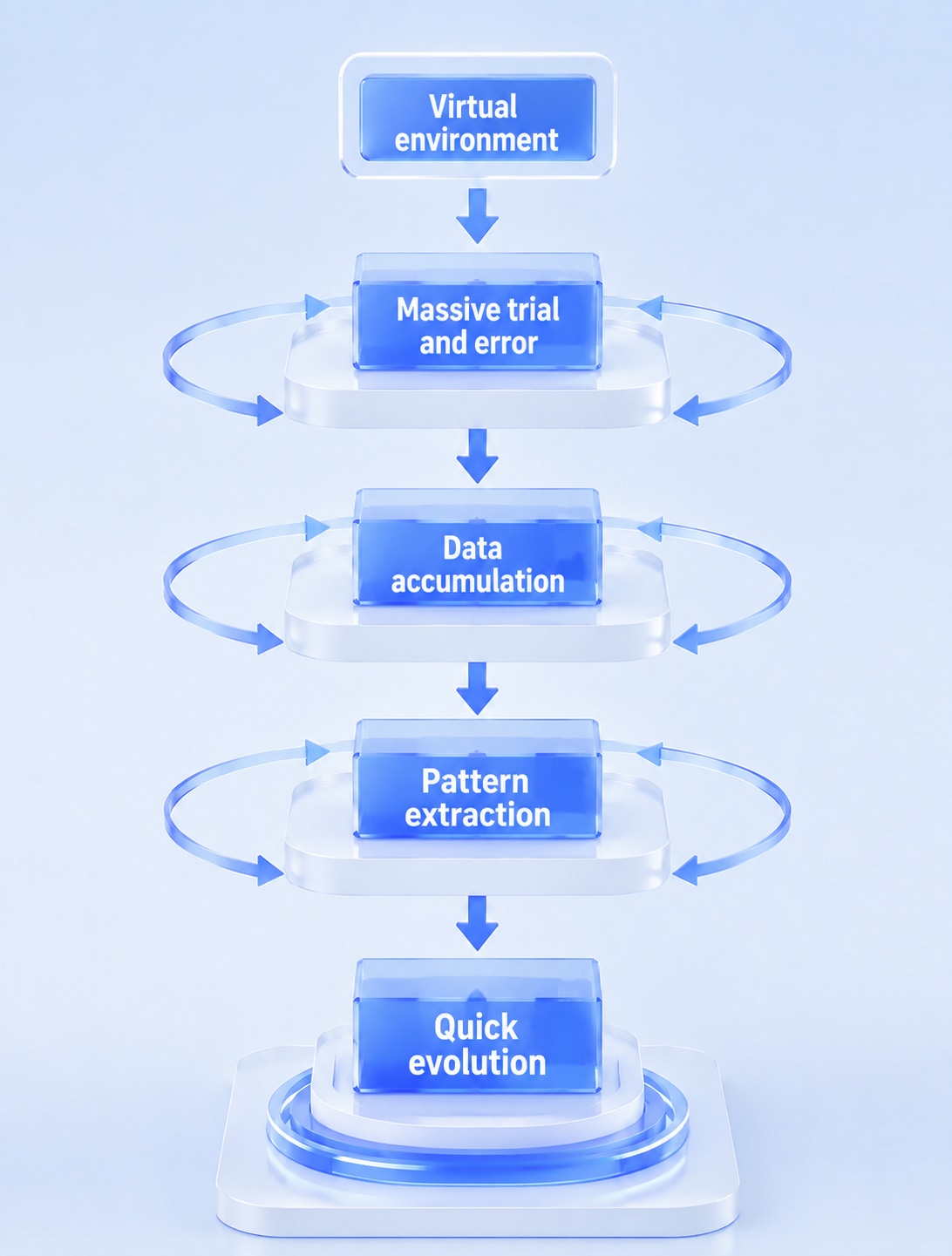
Accumulating massive interaction data in a zero-risk virtual environment to drive the rapid evolution of intelligent agents.
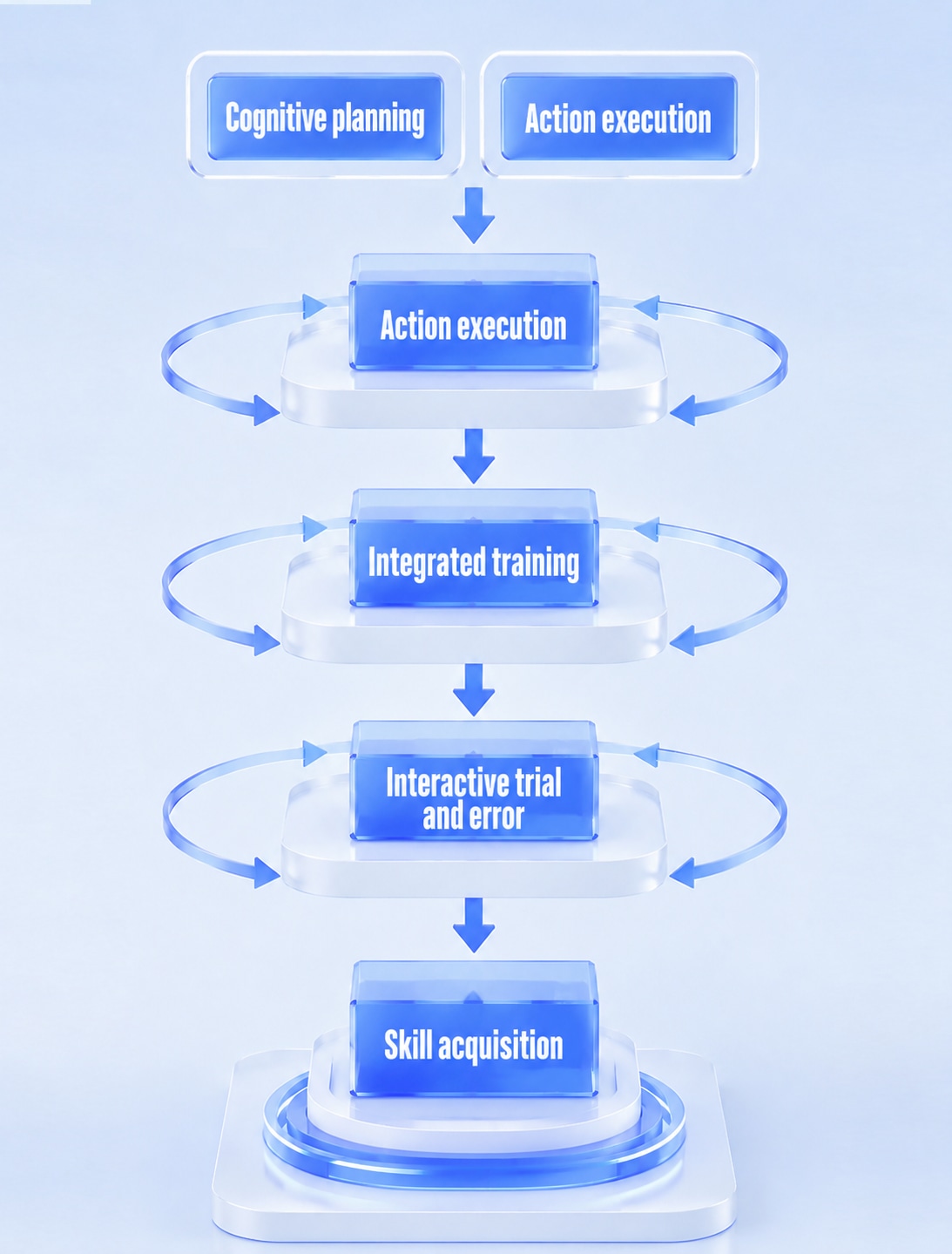
Integrated training from cognitive planning to action execution allows skills to emerge naturally through interaction.
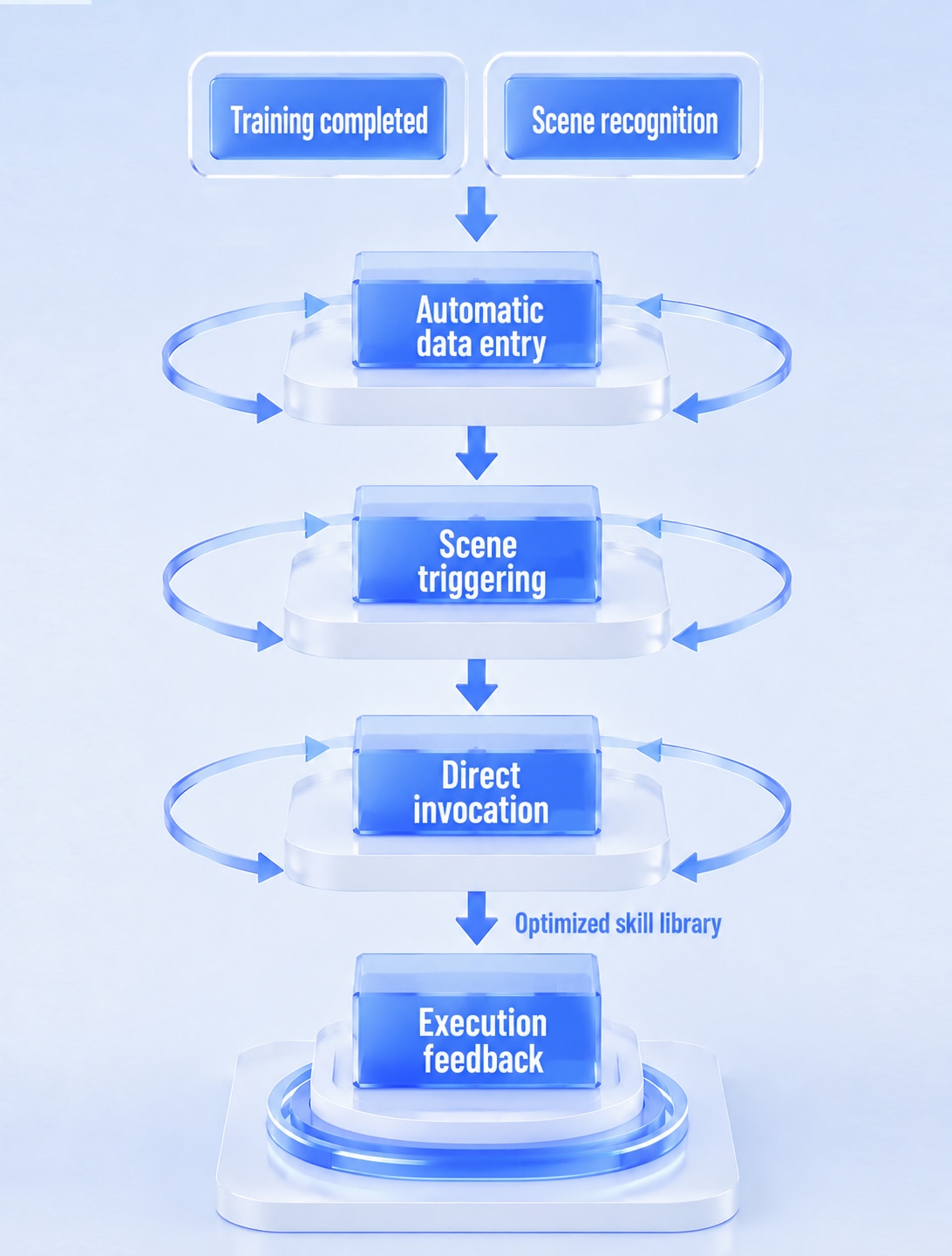
Skills that have been trained and validated are automatically encapsulated into ready-to-use modules and stored in a skill library, achieving a seamless transition from training to deployment.
The HITBOT OS embodiment execution matrix serves as the 'body and senses' of the intelligent agent, achieving deep integration of software and hardware. It allows for flexible configuration of devices such as robotic arms and grippers, and collects data through multimodal sensing to provide real experiences for cognitive evolution.
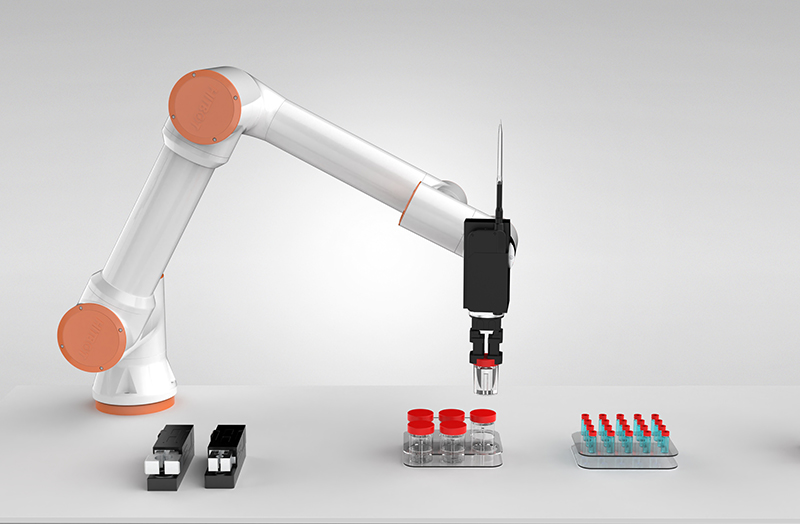
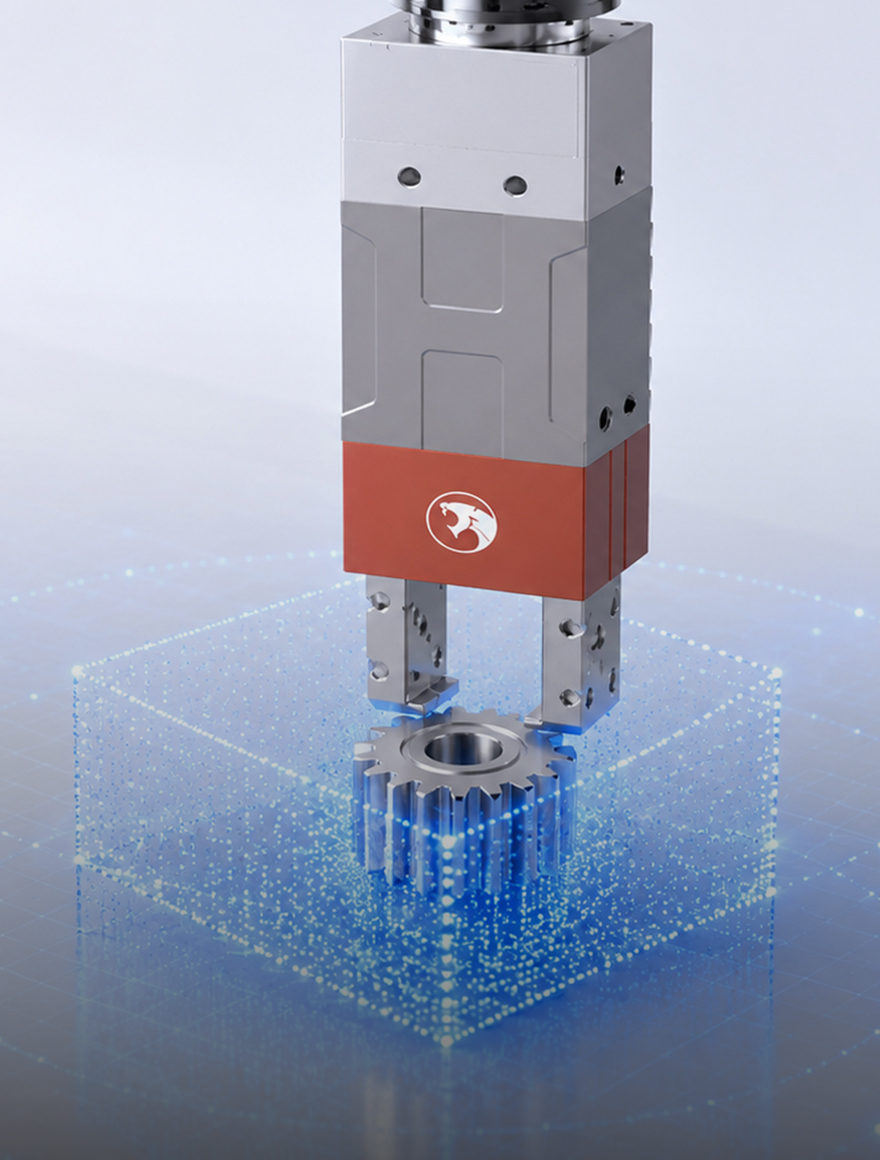
Predefine various gripping methods, supporting rigid parts, irregular shapes, and fragile items.
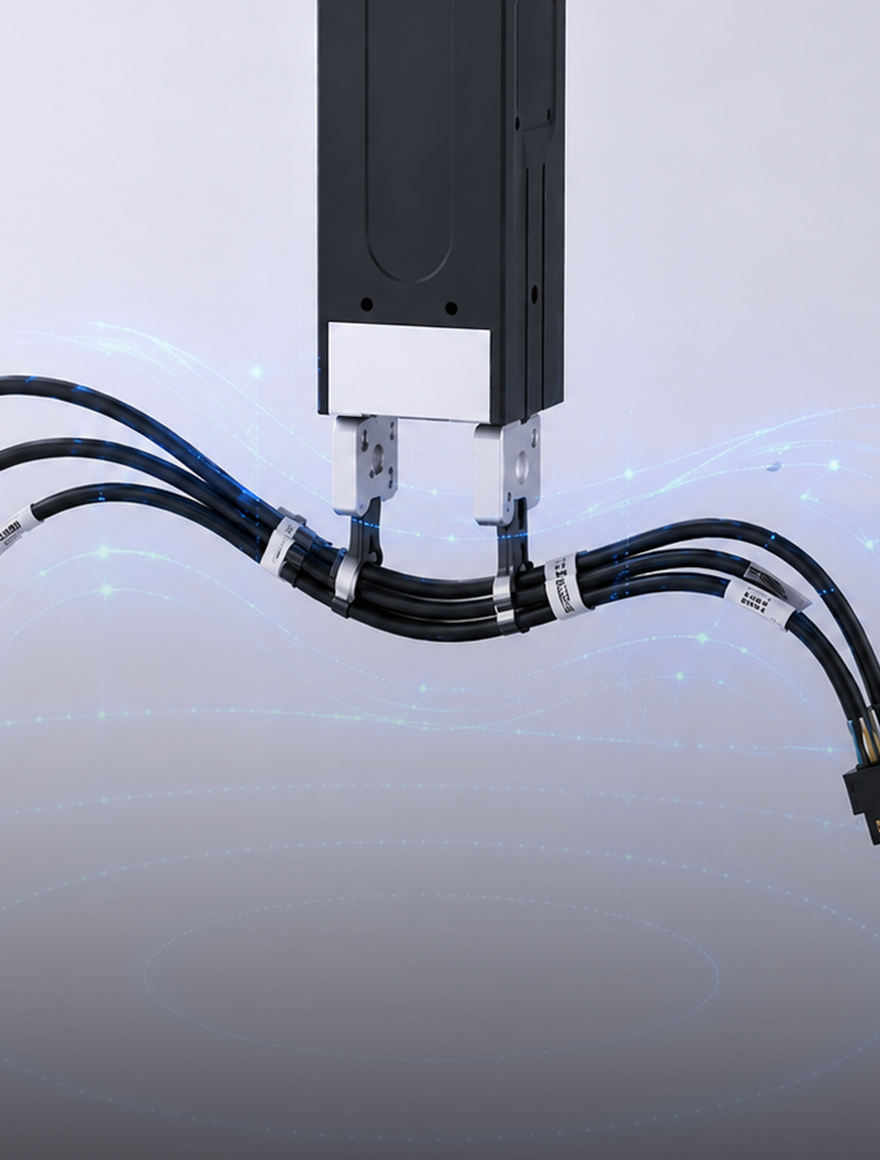
Specialized skills for handling flexible materials such as cables and soft bags, including anti-vibration and tension control.
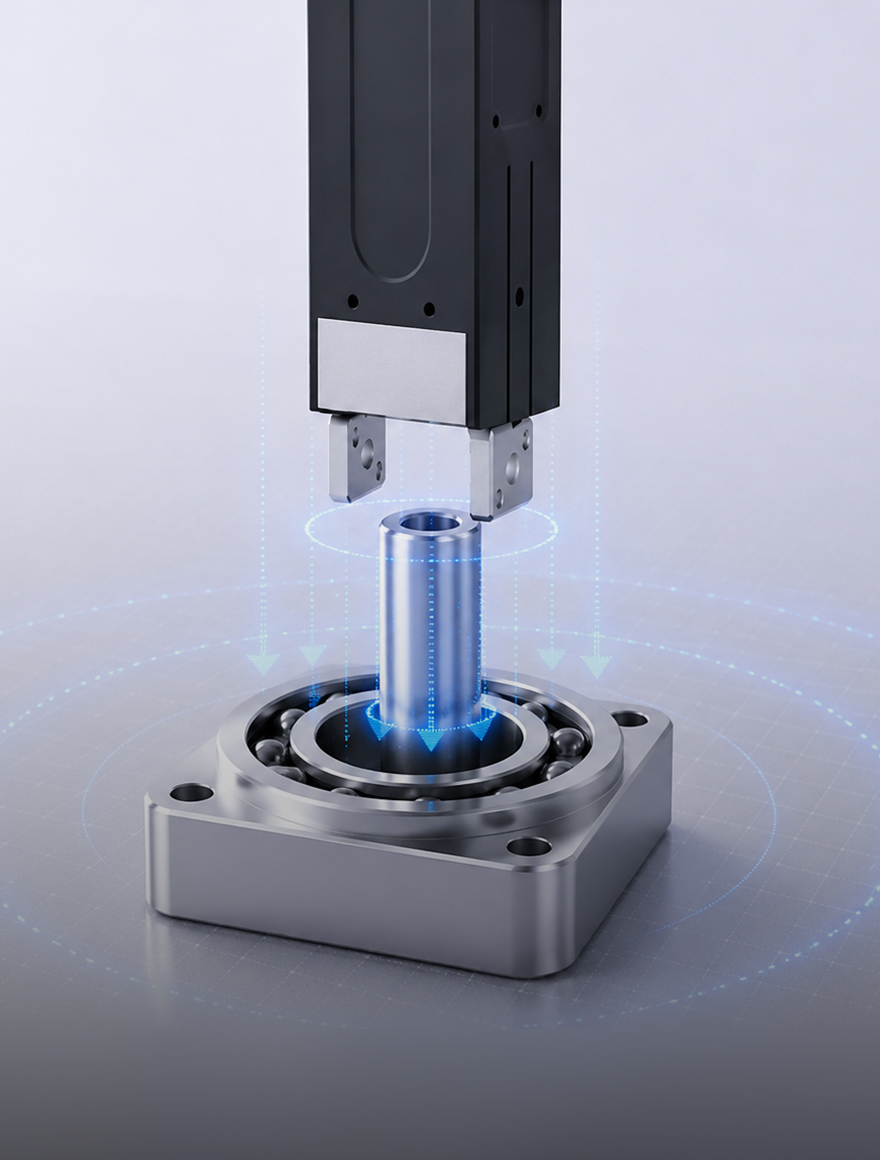
Integrated force-position hybrid control that automatically adapts to slight deviations in workpieces.
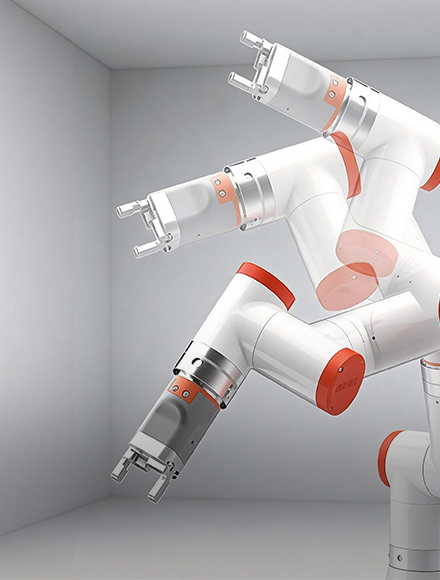
Support drag teaching and path importing, accurately reproducing motion trajectories.
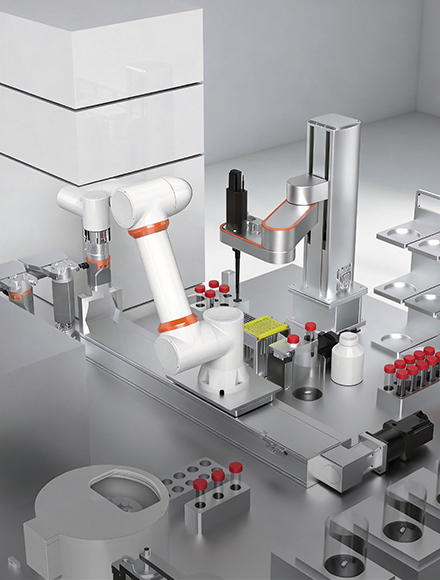
Preset coordination skills for master-slave cooperation, obstacle avoidance, and waiting.
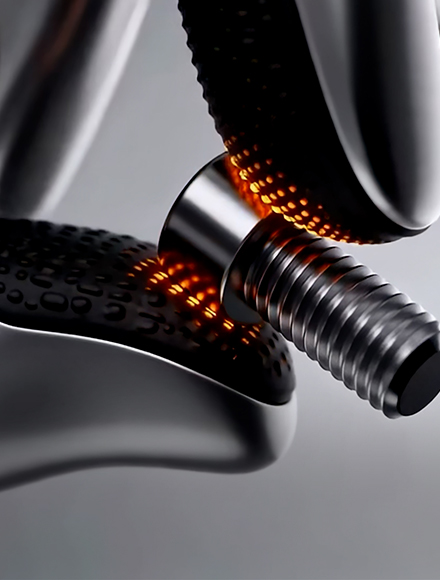
Utilizes multimodal perception to autonomously understand the environment, dynamically recognizing target location and posture, ensuring that each grasp is based on genuine understanding.
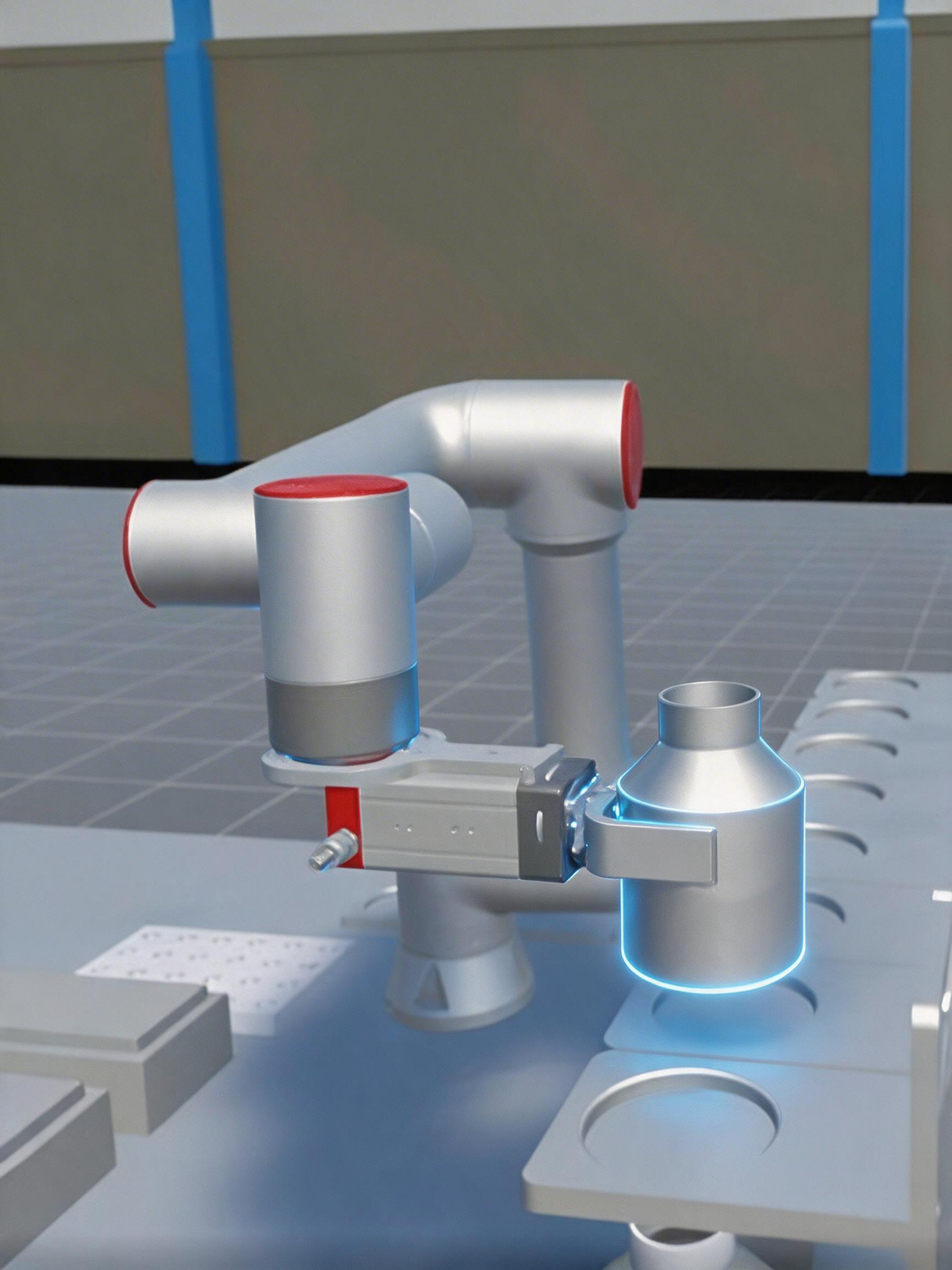
All skills emerge autonomously through the interaction between the virtual body and the environment, rather than being pre-programmed.
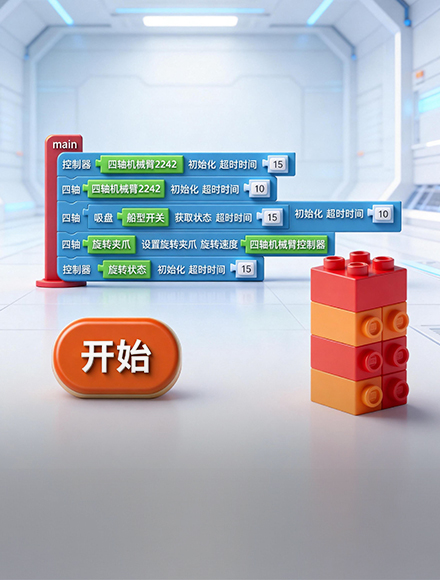
Skills can be selected and combined via a graphical interface using simple drag-and-drop actions, making embodied intelligence easily accessible.
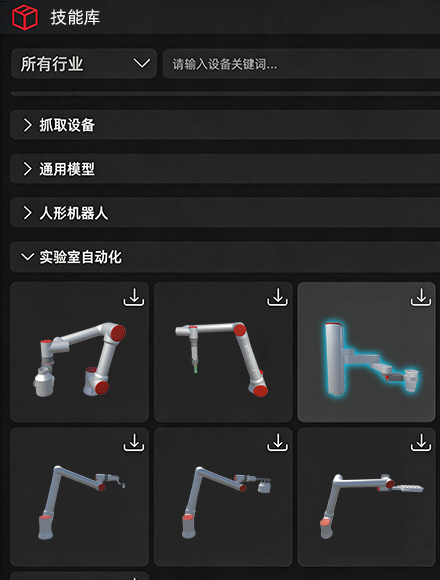
Millions of instances of physical experience accumulated during simulation are encapsulated into ready-to-use skill modules, available for immediate deployment.
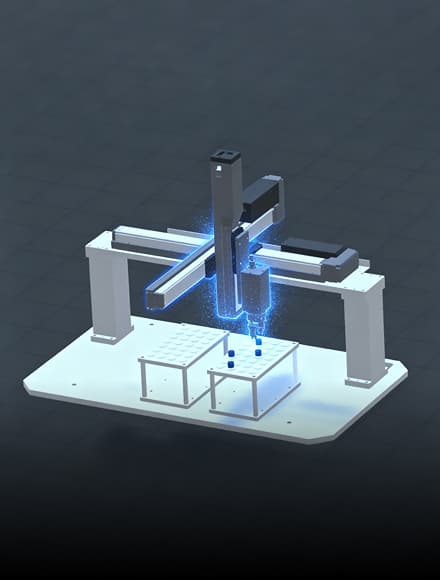
Skills are acquired in diverse simulation scenarios and remain stable and reliable when facing real-world uncertainty.
The HITBOT OS embodiment execution matrix serves as the 'body and senses' of the intelligent agent, achieving deep integration of software and hardware. It allows for flexible configuration of humanoid devices such as robotic arms and grippers, and collects data through multimodal sensing to provide real experiences for cognitive evolution.
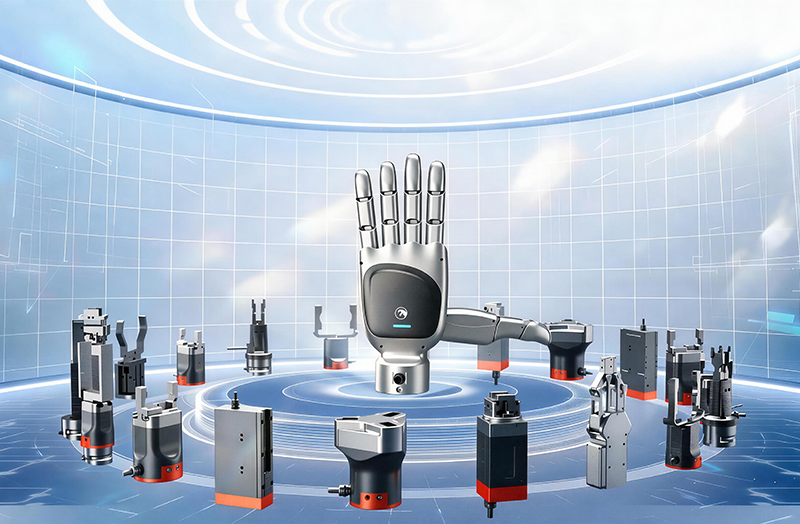
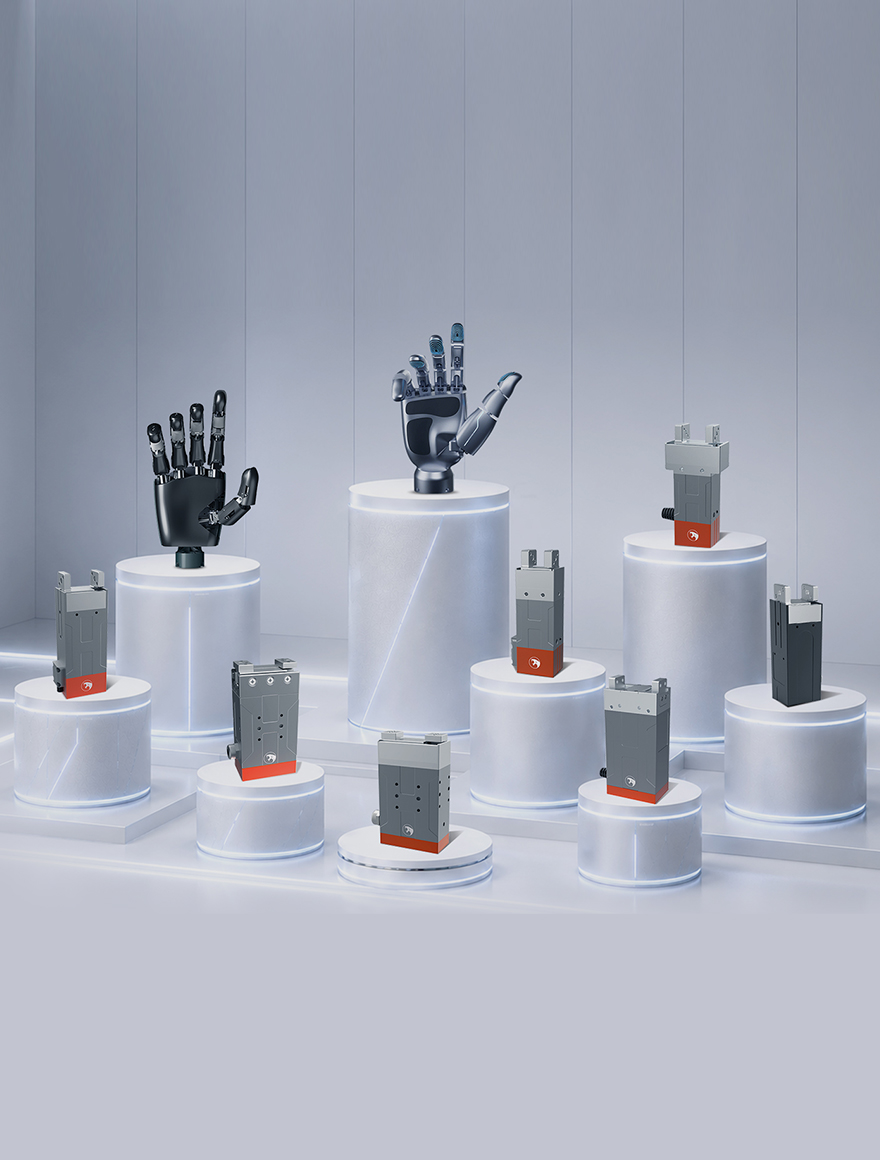
An industry-leading matrix of electric grippers, ranging from two-finger parallel grippers to adaptive dexterous hands, precisely matching different grasping objects.
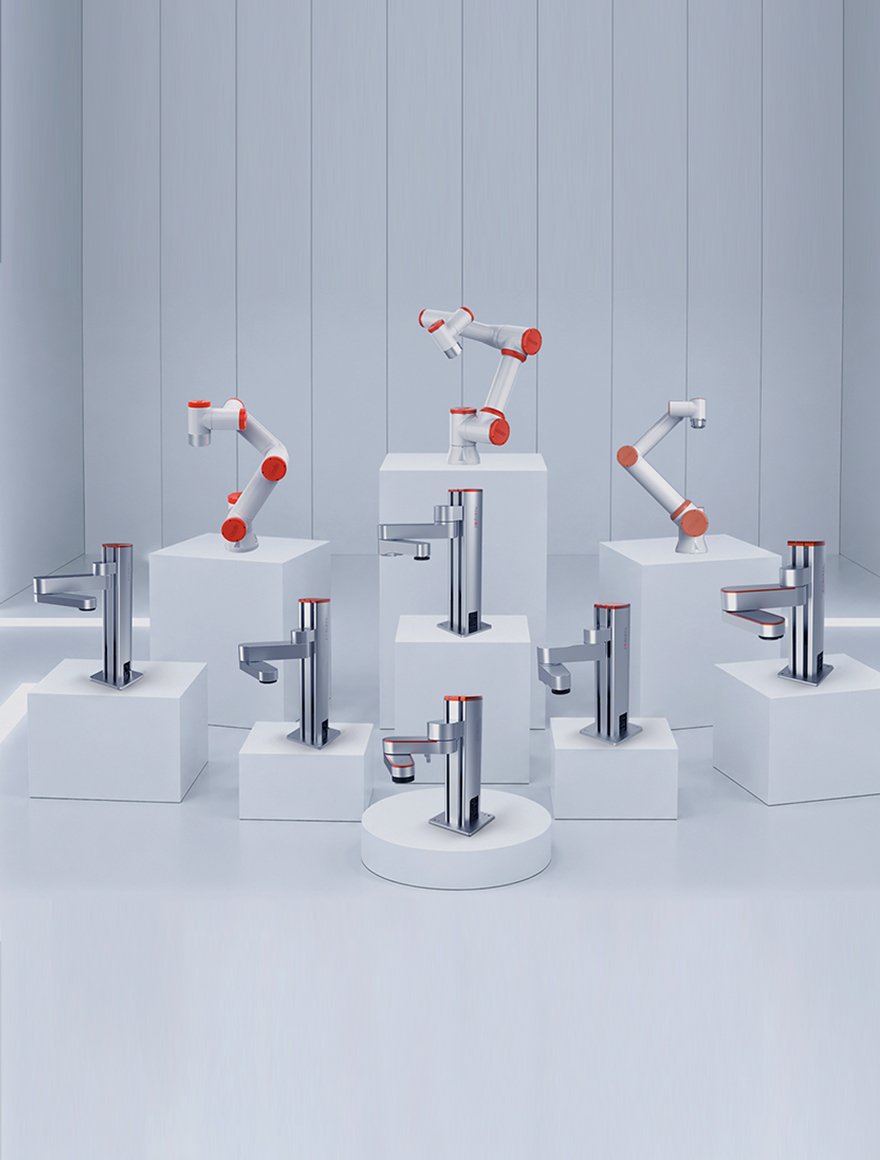
A full range of four-axis and six-axis robotic arms, covering lightweight desktop to high-load industrial scenarios, with complete kinematic parameters preset.
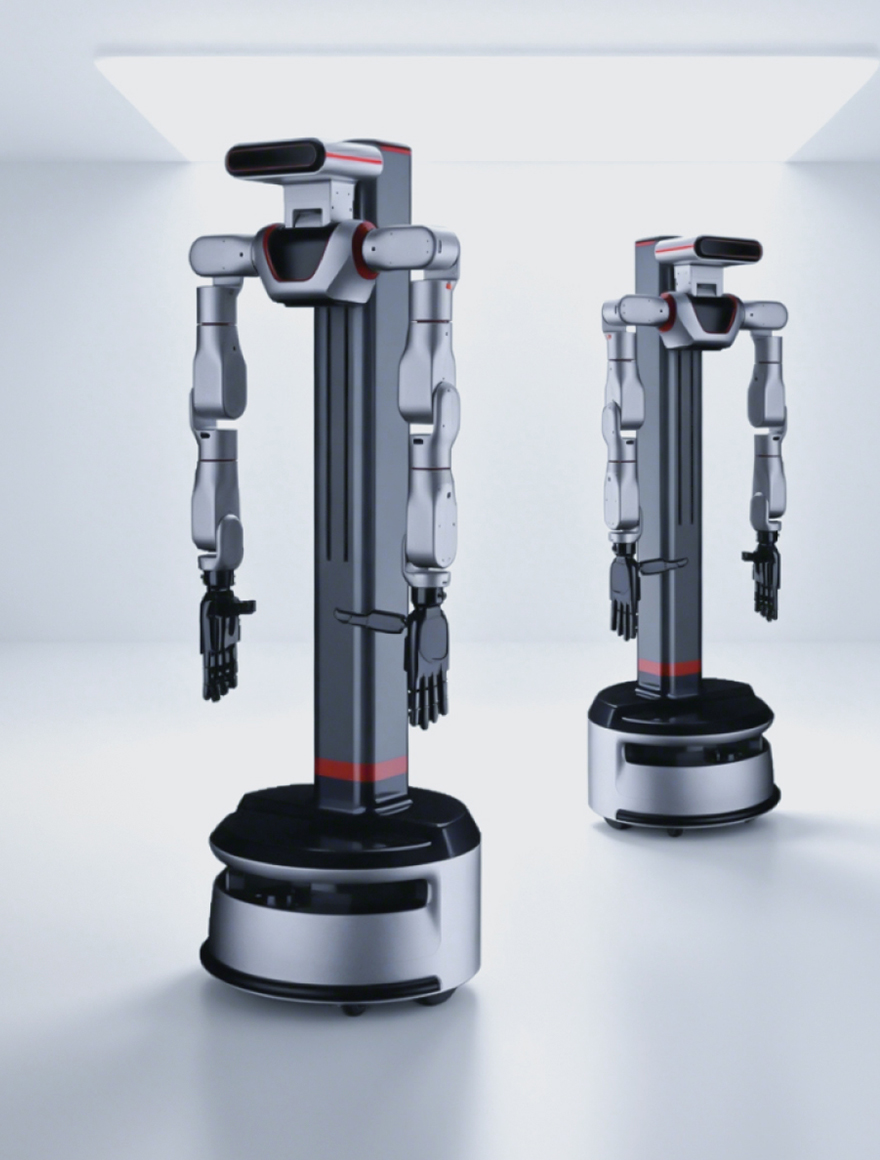
Wheeled mobile structure, 7-degree-of-freedom bionic dual arms, nimble chassis, and multimodal perception system (LiDAR + RGB-D vision).
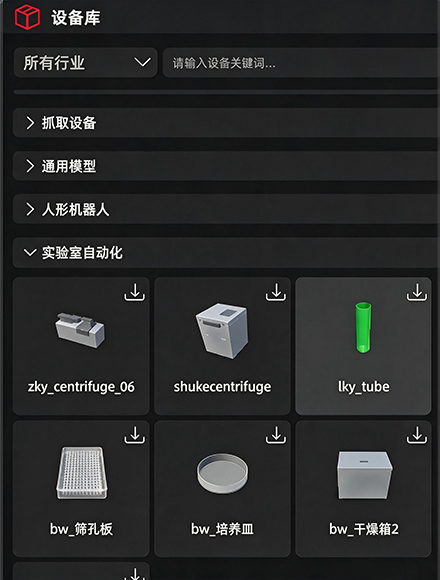
Third-party devices supporting standard communication protocols can be easily integrated into the HITBOT OS ecosystem.
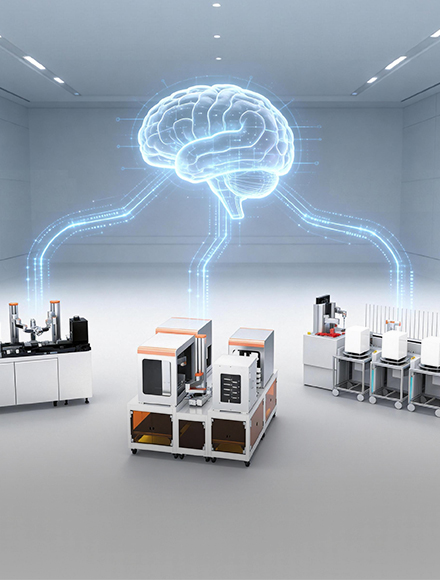
Comprehensive coverage of products—such as conveyor belts, vision cameras, PLCs, and various sensors—for industries including new retail, 3C electronics, and life sciences.
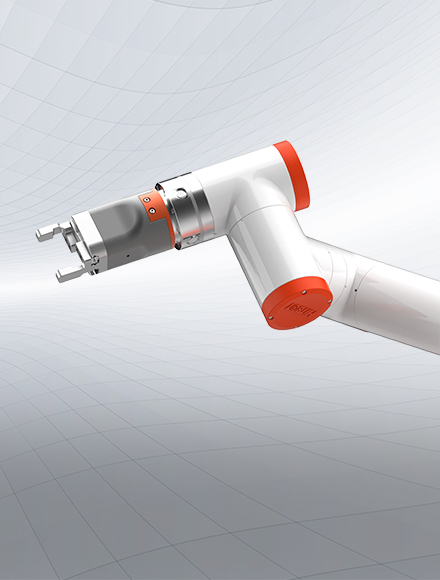
Flexibly select the most suitable "body" based on the task, allowing the intelligent agent to execute on the optimal hardware.
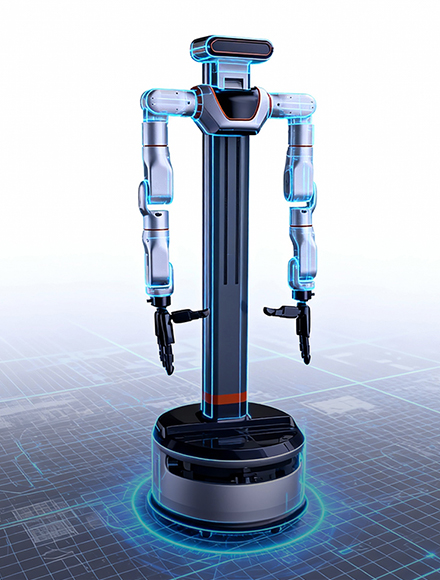
Multimodal execution data from real-world scenarios is automatically fed back into the embodied cognition system, turning every execution into a new starting point for the agent to understand the world and optimize its planning.
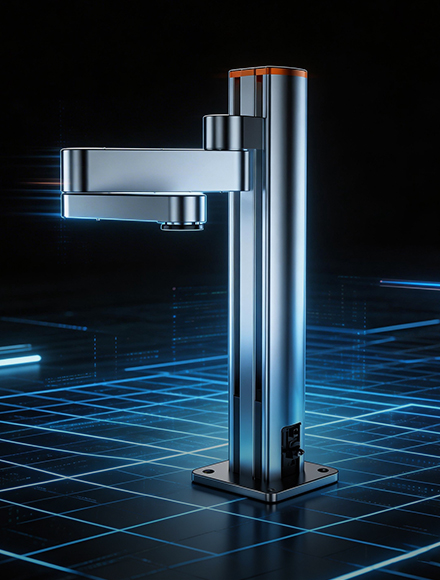
Real-time collection of multimodal scene data during execution turns every action into a learning opportunity.
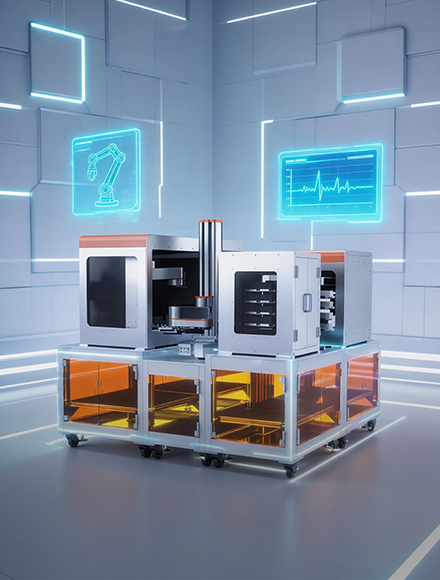
The software features low-level optimizations tailored to the entire Hitbot actuator series, delivering a smooth, out-of-the-box experience.
Say goodbye to the hassle of starting from scratch, HITBOT OS has set up a comprehensive automation system template covering all industries for you. From rapid setup to digital twins, every mature solution can be directly reused and flexibly adjusted, allowing your automation workflow to be implemented immediately and iterated efficiently.
Flux increases by over 10 times, while labor costs are reduced by 80%.
